

Underground Water Mains Leak Detection in Wokingham
A underground mains leak in Wokingham was located using an acoustic listening device, tracer gas, CAT and Genny with trace wire, and a ground microphone, completing water mains leak detection beneath compacted hardcore and concrete with no surface trace to guide the search. Found by engineer Krzysztof Kobylinski.
 CIPHE accredited
 WIAPS member


Facts
| Location | Wokingham |
|---|---|
| County | Berkshire |
| Leak Type | Water Mains Leak Detection |
| Property Type | Residential property |
| Detection Method | Acoustic Listening Device, Tracer Gas, CAT & Genny with Trace Wire, Ground Microphone |
| Outcome | Leak found beneath concrete and brickwork, repaired with Philmac fittings. |
Symptoms
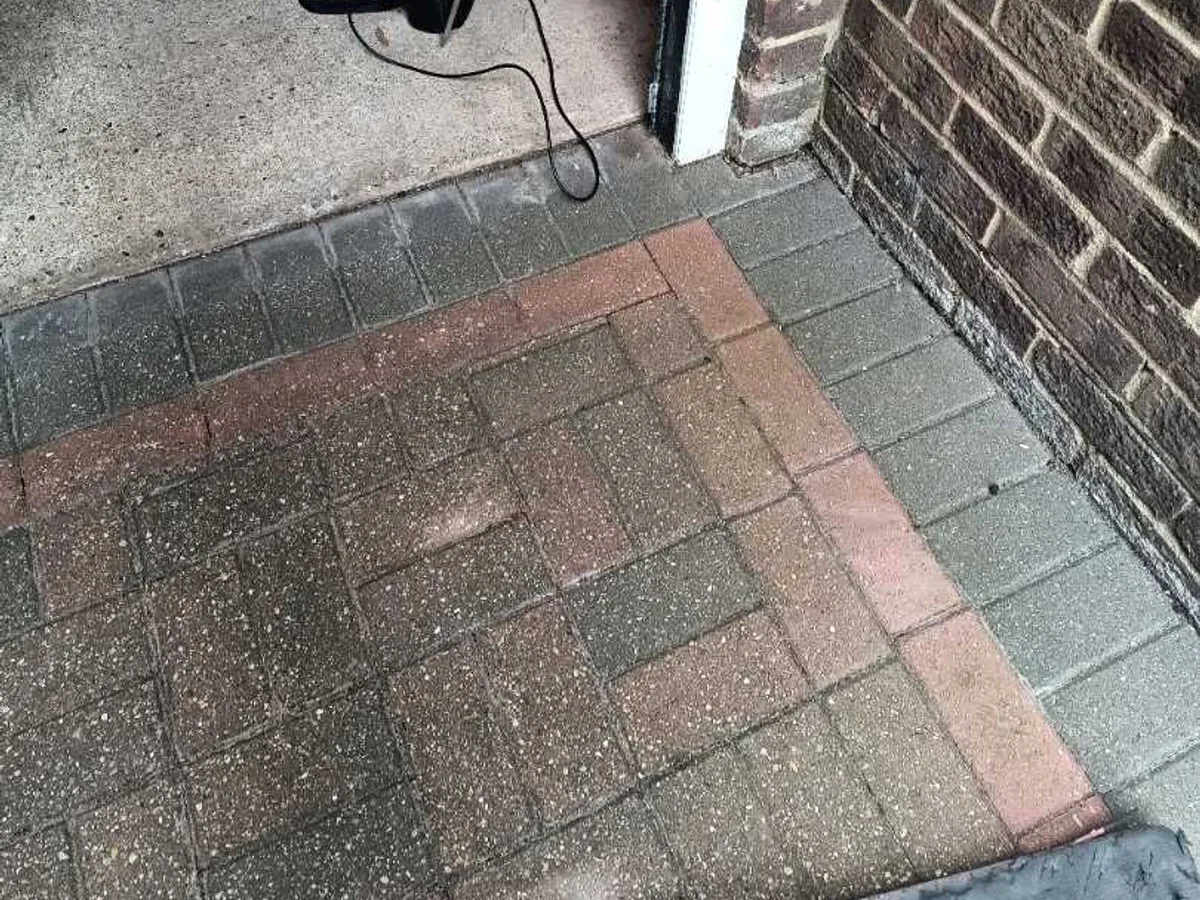
A property in RG40 had a suspected leak on the 20mm black poly pipe forming the main water supply. No water was visibly showing at the surface and no damage was apparent, making it difficult to pinpoint where a loss was occurring.
The absence of obvious signs meant specialist leak detection equipment would be needed to establish whether a leak existed and, if so, where.
Methods Used

The investigation involved multiple excavations, each progressively extending toward the source of the noise and gas readings. The pipe ran beneath the driveway and continued under building bricks and a thick concrete layer, which obscured both the pipe and any water movement at the surface.
Water mains leak detection in these conditions demands persistence — the leak was not visible even once the pipe was exposed in the earlier excavations, and it was only by extending the third excavation through the concrete that the actual leak point was reached.
Acoustic Listening Device. Identified a strong noise signature on the driveway, directing the team to the correct section of the supply pipe for excavation.
Tracer Gas. Introduced into the system to detect gas escaping at the leak point; readings were found in the garage and on the driveway, narrowing the search area.
CAT & Genny with Trace Wire. Used to trace the exact route of the 20mm poly supply pipe beneath the driveway, enabling a precise further excavation approximately 2 metres from the previous dig.
Ground Microphone. Applied as part of the acoustic investigation to listen for subsurface pipe noise along the suspected leak path.
Investigation Process
-
1Initial Acoustic Sweep
Listening equipment was deployed across the site but produced no detectable anomalies, confirming the leak was too small to register through standard acoustic methods alone.
-
2Tracer Gas Introduced
Gas was introduced into the water supply system. A reading was detected in the garage area, prompting the first excavation in front of the garage.
-
3First Excavation — Garage
The ground was opened before the garage but the water supply pipe could not be located and no signs of water were present at this point.
-
4Second Gas Reading Detected
A second gas reading was found at a different location, but within five minutes the gas had dissipated and could not be reliably traced from that position.
-
5Acoustic Reading and Second Excavation — Driveway
The acoustic listening device identified a strong noise on the driveway, accompanied by a gas reading. Excavation here exposed the water supply pipe, but no leak was visible at this point.
-
6Trace Wire Survey
A trace wire and CAT & Genny device were used to follow the pipe route accurately, identifying the next excavation point approximately 2 metres further along.
-
7Third Excavation Extended
A further dig located some water, but the leak remained out of sight. The excavation was extended and a thick concrete layer with building bricks was uncovered.
-
8Leak Located and Repaired
The leak was found beneath the building bricks and under the thick concrete. Two Philmac fittings were used to complete the repair, and all excavations were backfilled, leaving the site clean and tidy.
Result & Outcome

Two Philmac fittings were used to repair the 20mm poly supply pipe once the leak was exposed. All three excavations were backfilled and the site was left clean and safe. For a water mains leak detection job of this type — where the pipe is buried beneath compacted hardcore and concrete — the layered detection approach was the only practical route to finding a leak that left no surface trace whatsoever.
Suspect a leak at your property?
ADI Leak Detection specialists investigate leaks like this across the UK every day. No find, no fee terms apply on qualifying jobs.