
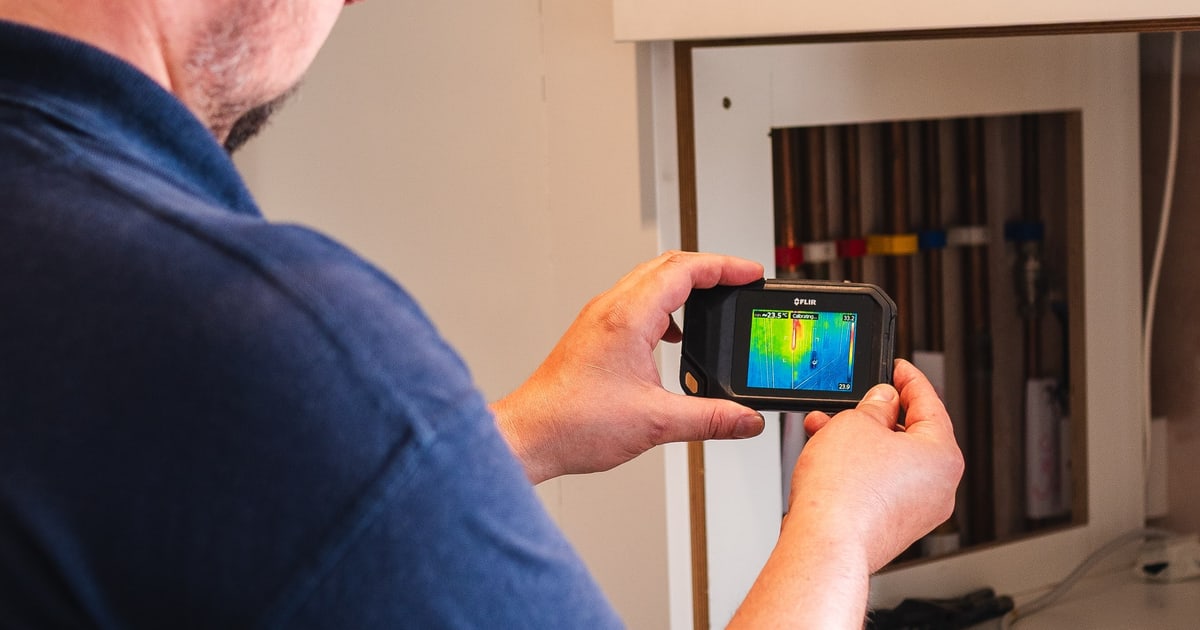
Underfloor Mains Leak Detection in Sheffield
A underground mains leak in Sheffield was located using pressure testing, tracer gas, and acoustic listening as part of water mains leak detection beneath the affected area. The work was carried out by engineer Phillip Whitehouse.




The original leak detection company, est. 2011
Facts
| Location | Sheffield |
|---|---|
| County | South Yorkshire |
| Leak Type | Water Mains Leak Detection |
| Property Type | Residential property |
| Detection Method | Pressure Testing, Tracer Gas, Acoustic Listening |
| Outcome | Underground lead mains leak located and capped at rear of property. |
Symptoms
Water mains leak detection at properties with older pipework presents particular challenges, as lead mains pipes — common in older housing stock — can develop slow, concealed losses that cause significant water waste over time without breaking the surface. In this case, the leak had gone undetected long enough for water to saturate the ground beneath the flooring, making accurate pinpointing essential before any excavation could be justified.
Methods Used
Tracer gas was introduced into the pipework and readings were taken around the perimeter of the property. A concentration of gas was detected at the rear of the house, pointing to a specific section of older lead mains pipe.
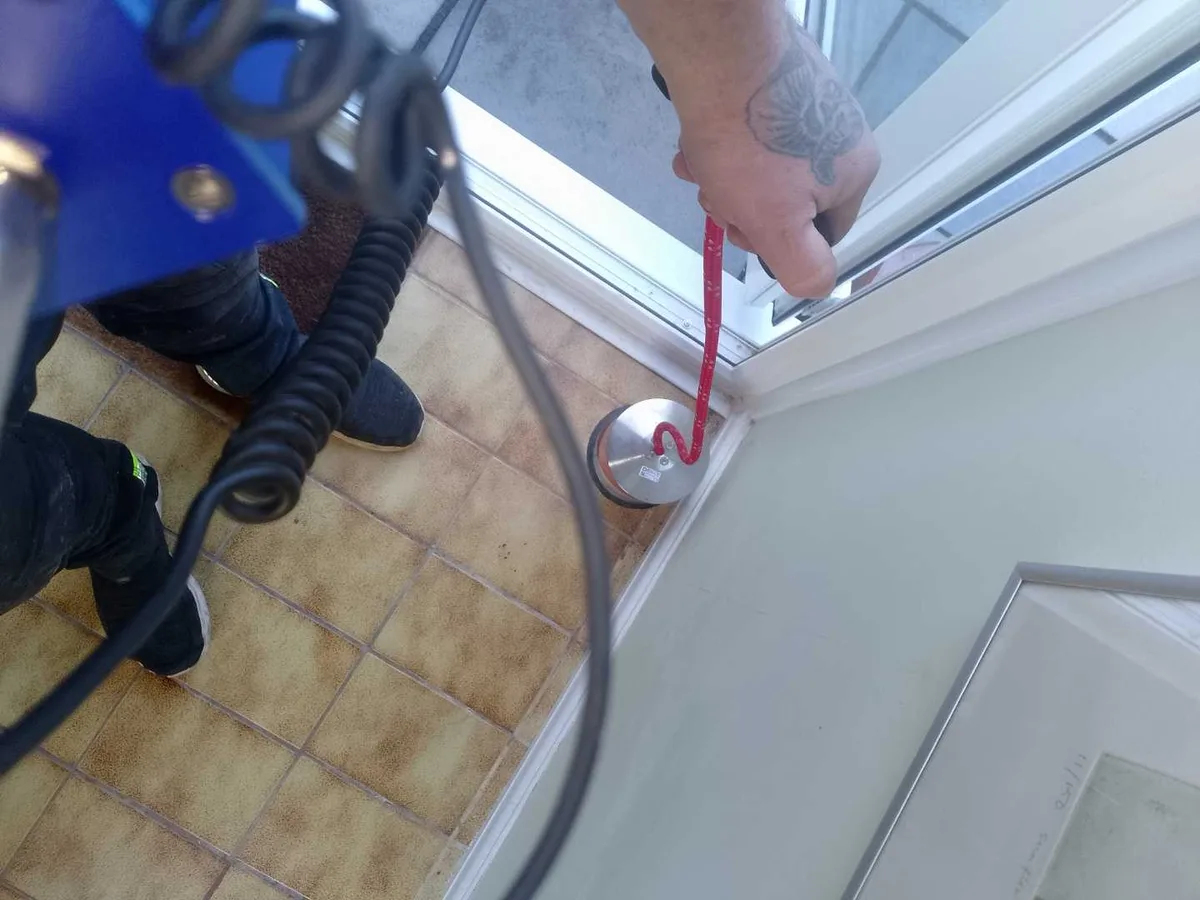
Acoustic testing was then applied to that area to confirm the finding, allowing the engineer to identify the precise leak point before any floor or ground was disturbed. This combination of methods — standard practice in water mains leak detection — meant the investigation was targeted rather than exploratory, keeping any necessary access work to a minimum.
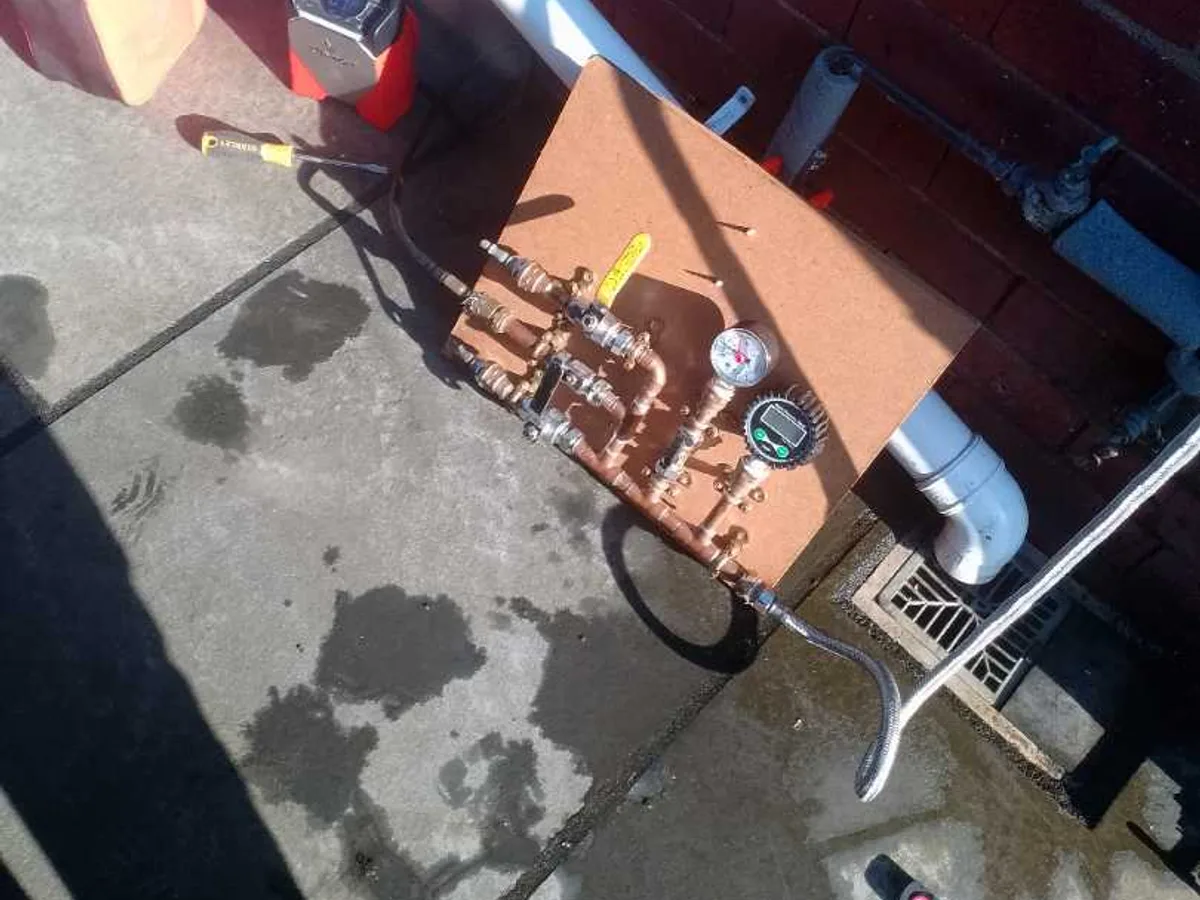
Pressure Testing. Used to confirm an active leak by measuring a 0.5 bar pressure drop over 90 seconds when connected to the outside tap.
Tracer Gas. Introduced into the pipework and traced to the rear of the property, indicating the leak position on the older lead mains pipe.
Acoustic Listening. Used to detect and verify the sound signature of the leak at the identified area at the rear of the house.
Investigation Process
-
1Meter Test
On arrival, a meter test was carried out on the mains supply leading to the house. This returned no pressure drop, ruling out a leak on the incoming mains upstream of the property.
-
2Pressure Test
Testing equipment was connected to the outside tap and a pressure test was performed. A loss of 0.5 bar over 90 seconds confirmed an active leak within the property's pipework.
-
3Tracer Gas Survey
Tracer gas was introduced into the system and readings were taken around the property. Gas was detected at the rear of the house, indicating the leak was on the older lead mains pipe in that area.
-
4Acoustic Confirmation
Acoustic testing was applied to the area identified by tracer gas. This confirmed the leak location precisely on the lead main beneath the floor at the rear of the property.
-
5Access and Isolation
Two floorboards were carefully cut and approximately 12 inches square of concrete was removed to access the pipe. With the customer's authorisation and confirmation that no water was in use, the lead main was capped using a leadlock fitting with a 15mm cap.
Result & Outcome

The customer has been advised to leave the flooring open temporarily to allow the concrete to dry out fully before any reinstatement. They have also been advised to contact their water supplier to discuss a potential refund on their water bills, as the leak is now repaired and historical consumption data can be used to support that claim.
Suspect a leak at your property?
ADI Leak Detection specialists investigate leaks like this across the UK every day. No find, no fee terms apply on qualifying jobs.