
Hot Water Leak Detection in Whitstable
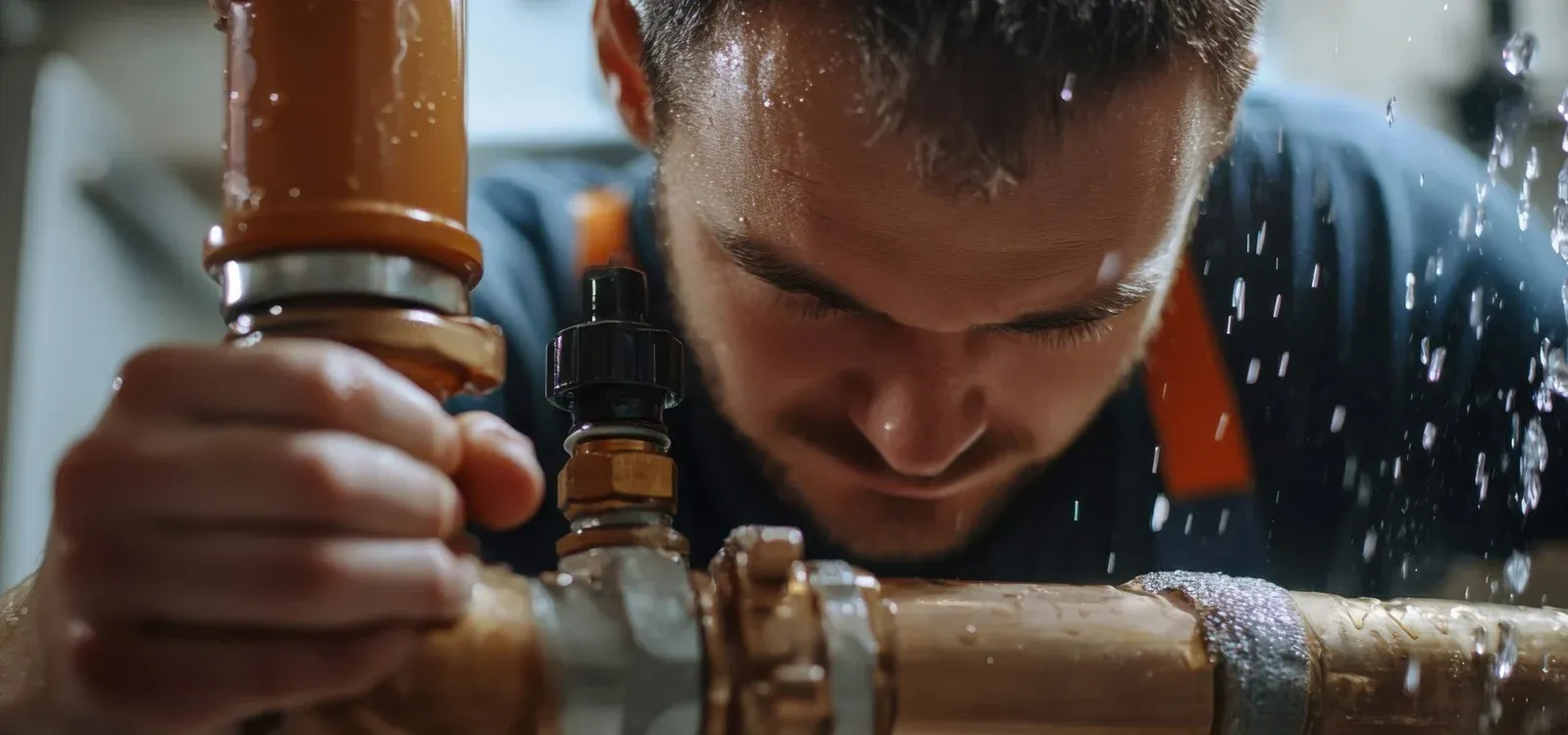
A towel radiator leak in Whitstable was located using thermal imaging, an endoscope camera, a damp meter, and pressure testing as part of a hot water leak detection investigation, confirming the faulty valve as the sole source of moisture damage to the ceiling below. Found by engineer Aaron Baker.
 CIPHE accredited
 WIAPS member


Facts
| Location | Whitstable |
|---|---|
| County | Kent |
| Leak Type | Hot Water Leak Detection |
| Property Type | Residential property |
| Detection Method | Thermal Imaging, Endoscope Camera, Damp Meter, Pressure Testing |
| Outcome | Leak traced to towel radiator valve, repaired by tightening. |
Symptoms
A property in CT5 presented with a damaged ceiling on the ground floor — showing a crack and a hole — with no active water ingress visible at the time of the engineer's arrival. The boiler pressure had dropped to 0 bar, pointing to a significant loss of water from the heating system.
The source of the problem was not immediately confirmed, requiring a structured hot water leak detection investigation to establish what had caused the pressure loss and the ceiling damage above.
Methods Used
The investigation began with a visual inspection of the bathroom located directly above the damaged ceiling. A puddle was found beneath the towel radiator, with surrounding items showing water damage and a floor tile that had lifted.
After the heating system was repressurised, the towel radiator was inspected more closely, and the valve was identified as the source of the leak — correlating with the recorded pressure drop. This hot water leak detection process then extended to the ceiling void and surrounding pipework to rule out any additional leaks contributing to the damage.
Investigation Process
-
1Initial System Check
On arrival, the boiler pressure was recorded at 0 bar, confirming a significant loss of water from the heating system.
-
2Bathroom Inspection
The bathroom directly above the affected ceiling was inspected. A puddle was found beneath the towel radiator, with water-damaged items nearby and a lifted floor tile.
-
3System Repressurised
The heating system was repressurised to allow a live assessment of the radiator and its valve under normal operating conditions.
-
4Leak Source Identified
Inspection of the towel radiator confirmed a significant leak from the valve, which was consistent with the recorded pressure drop and the moisture below.
-
5Valve Tightened
The radiator valve was tightened as a repair adjustment — no replacement materials were required.
-
6Ceiling Void and Pipework Inspected
An endoscope and thermal camera were used to inspect the ceiling void and surrounding pipework, with the pipework heated to assist detection. No additional leaks were found.
-
7Pressure Testing Completed
Post-repair pressure tests confirmed the system held pressure, with no further issues identified.
Result & Outcome
The leak was traced to the towel radiator valve in the first-floor bathroom, directly above the damaged ceiling. The valve had been leaking sufficiently to deplete system pressure to 0 bar and cause water to migrate into the ceiling void below, resulting in the crack, hole, and surface damage observed. No additional pipe leaks were found during the hot water leak detection investigation — the endoscope and thermal camera confirmed that the moisture visible in the ceiling was attributable solely to this single valve.
Suspect a leak at your property?
ADI Leak Detection specialists investigate leaks like this across the UK every day. No find, no fee terms apply on qualifying jobs.