

Central Heating Leak Detection in Chetwynd
A central heating leak in Chetwynd was located using pressure testing, tracer gas, and acoustic correlation, with central heating leak detection confirming the fault in the hallway leading to the dining room. The work was carried out by engineer Phillip Whitehouse.
 CIPHE accredited
 WIAPS member


Facts
| Location | Chetwynd |
|---|---|
| County | Shropshire |
| Leak Type | Central Heating Leak Detection |
| Property Type | Residential property |
| Detection Method | Pressure Testing, Tracer Gas, Acoustic Correlation |
| Outcome | Leak located in hallway, pipework repaired and pressure tested. |
Symptoms
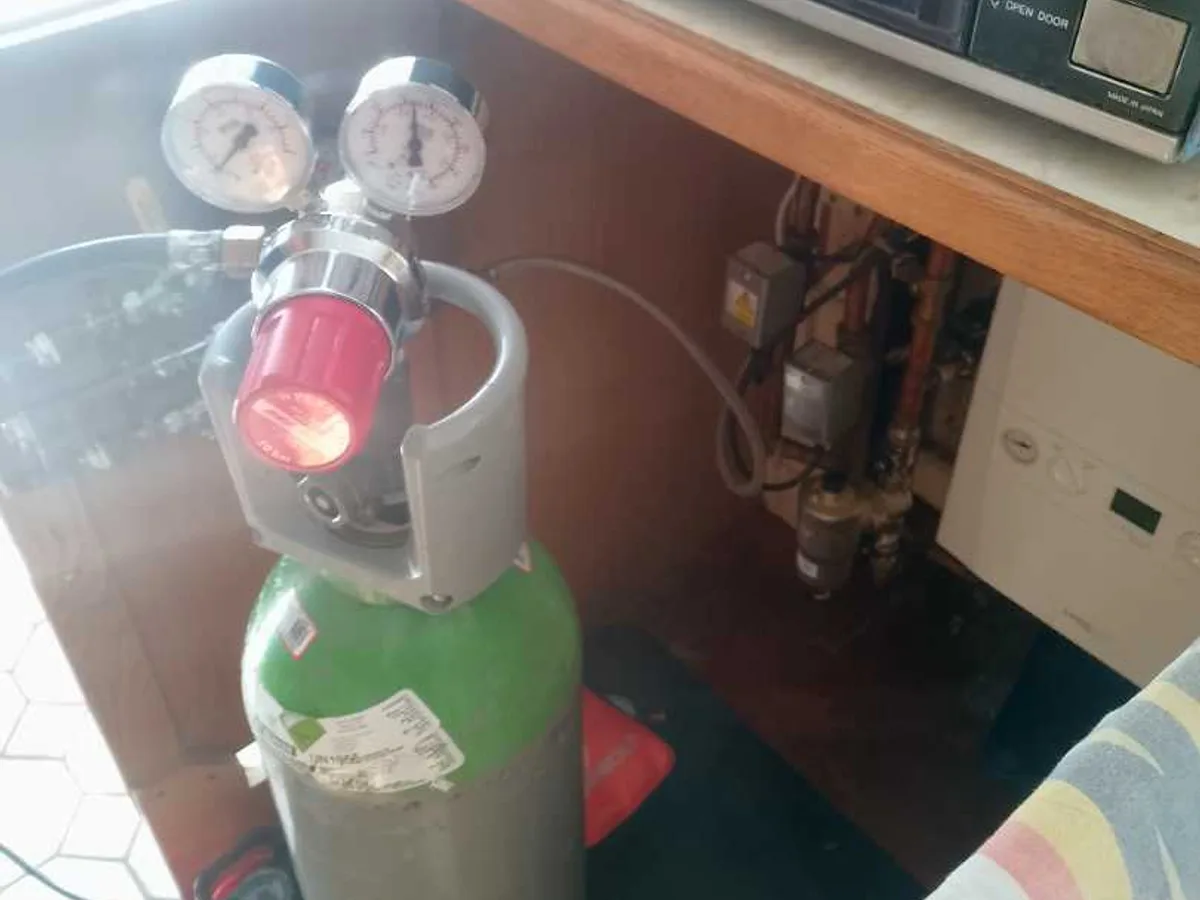
The property in TF10 is a detached house with a system boiler and gravity-fed heating system. The customer reported a loss of pressure in the heating system, which had prompted them to seek a central heating leak detection investigation to identify and resolve the source of the problem before further damage could occur.
Methods Used

This multi-method approach is standard practice in central heating leak detection — using pressure testing to confirm the fault, tracer gas to locate the source, and acoustic equipment to cross-reference findings. The combination of methods allowed the leak to be identified with confidence despite the acoustic results being inconclusive in isolation.
Pressure Testing. The system was pressurised to 1.5 bar and monitored, revealing a consistent drop of 0.1 bar every 30 minutes that confirmed an active leak was present.
Tracer Gas. Tracer gas was introduced into the drained heating system and surveyed throughout the property, producing strong indications in the hallway leading to the dining room that identified the leak location.
Acoustic Correlation. Acoustic testing was carried out in the area highlighted by the tracer gas to attempt to pinpoint the leak further, though the results were not fully conclusive on this job.
Investigation Process
-
1System drained and test equipment connected
On arrival, the heating system was fully drained and test equipment was connected to the return pipe near the boiler to prepare for pressure testing.
-
2Pressure test at 1.5 bar
The system was pressurised to 1.5 bar, where a pressure drop of 0.1 bar every 30 minutes was recorded, confirming an active leak within the heating system.
-
3Tracer gas introduced and surveyed
Tracer gas was introduced into the system and a full survey was carried out, with strong indications detected in the hallway leading to the dining room.
-
4Acoustic testing carried out
Acoustic testing was performed in the identified area to cross-reference the tracer gas findings, though results were not entirely conclusive.
-
5Leak located and repaired
The leaking section of pipework was identified, cut out, and repaired using a compression isolation valve and a coupler.
-
6Post-repair pressure test
Following the repair, the system was re-tested at 2.0 bar for one hour, with pressure remaining stable throughout, confirming the leak had been fully resolved.
Result & Outcome

The leak was located in the hallway leading to the dining room, identified primarily through strong tracer gas readings in that area. The leaking section of pipework was cut out and repaired using a compression isolation valve and a coupler, restoring the integrity of the heating system.
Suspect a leak at your property?
ADI Leak Detection specialists investigate leaks like this across the UK every day. No find, no fee terms apply on qualifying jobs.