
Central Heating Leak Detection in Midsomer Norton
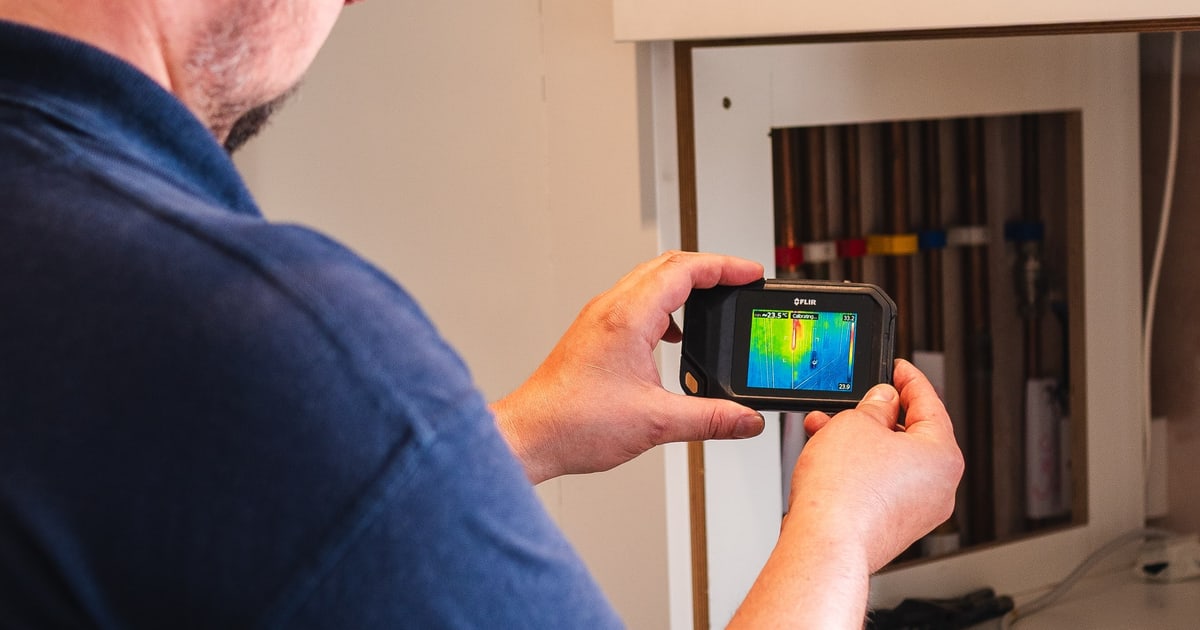
A central heating leak in Midsomer Norton was located using thermal imaging, pressure testing, tracer gas, acoustic listening, and a damp meter, with central heating leak detection carried out across multiple rounds of testing to pinpoint the source hidden beneath hard floor finishes. Found by engineer Krzysztof Kobylinski.




The original leak detection company, est. 2011
Facts
| Location | Midsomer Norton |
|---|---|
| County | Somerset |
| Leak Type | Central Heating Leak Detection |
| Property Type | Residential property |
| Detection Method | Thermal Imaging, Pressure Testing, Tracer Gas, Acoustic Listening Equipment, Damp Meter |
| Outcome | Leak found beneath ensuite bathroom tiles, pipe replaced. |
Symptoms
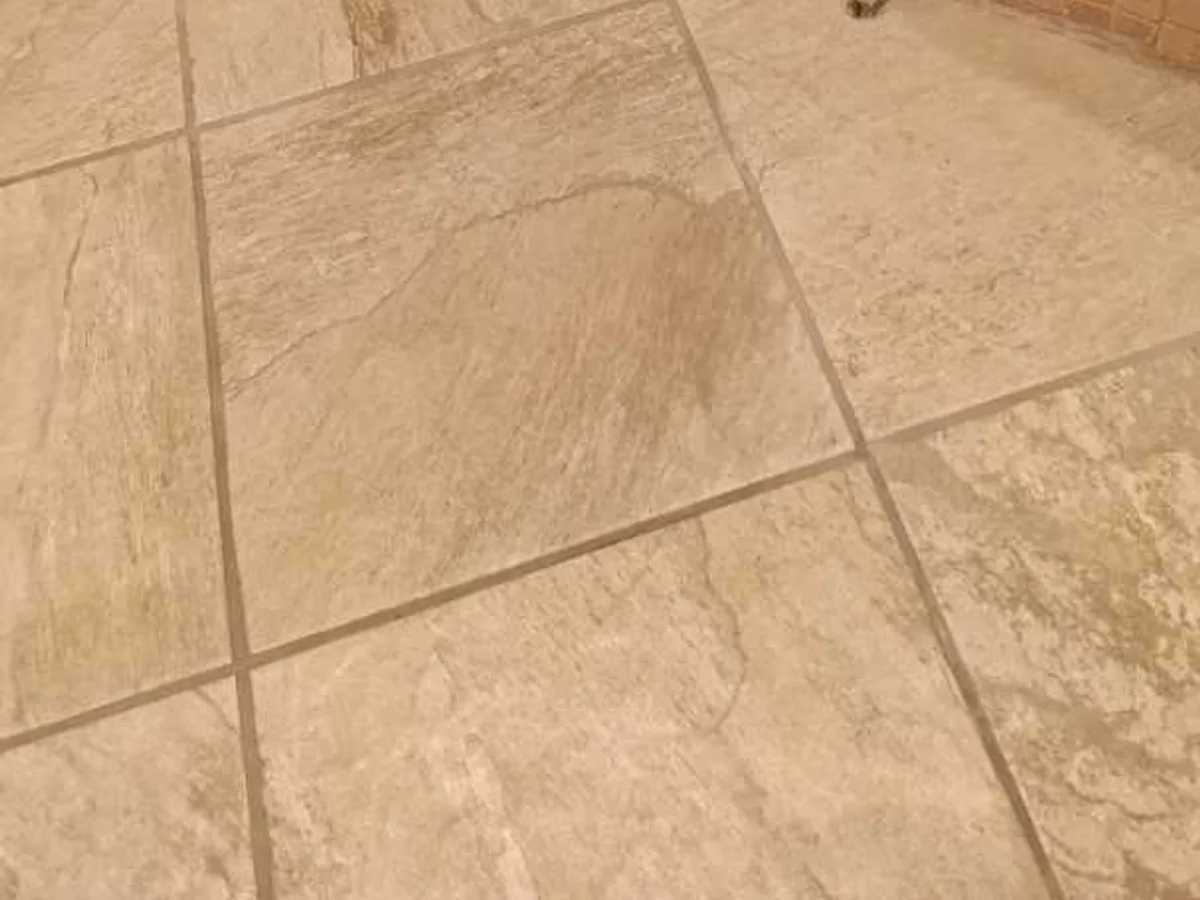
With nothing to see and no obvious starting point, this was a case for central heating leak detection using specialist equipment. The absence of visible water or surface damage suggested the leak was concealed — most likely beneath a floor finish or within a pipe channel — and would require a systematic, multi-method approach to locate.
Methods Used
Tracer gas was reintroduced and produced a clear reading in the same area, narrowing the location to beneath the bathroom floor. The carpet was removed first, exposing the pipe channel, but the actual leak sat beneath the ceramic tiles.
One tile was lifted to access the pipe, confirming the fault and enabling a targeted repair.
Thermal Imaging. A thermal camera was used in the early stage of the investigation but returned no significant findings, ruling out heat-related surface anomalies as an indicator of the leak location.
Pressure Testing. A compressor was connected twice — first without result, then from the opposite side of the property, where it produced a rapid pressure loss after around ten minutes, confirming the leak was active and helping focus the search area.
Tracer Gas. Tracer gas was introduced to the system and, on the second attempt following repositioning of the compressor, produced a strong positive reading near the ensuite bathroom, corroborating the acoustic findings.
Acoustic Listening Equipment. An acoustic device was used after the pressure drop was confirmed, detecting a strong noise signal near the ensuite bathroom that directed the search to that specific area of the floor.
Damp Meter. A damp meter was used as part of the broader survey of the property, consistent with checking for any concealed moisture that might indicate the leak path.
Investigation Process
-
1Initial thermal imaging survey
The thermal camera was used to scan the heating system but found no significant issues to indicate the leak location.
-
2First compressor test
A compressor was connected to pressurise the system, but no pressure loss was detected at this stage.
-
3Tracer gas — first attempt
Tracer gas was introduced, but no gas readings could be located anywhere in the property.
-
4Acoustic detection — first attempt
The acoustic device was deployed but returned no indication of a leak at this point.
-
5System refilled and boiler fired
The system was reconnected and refilled, and when the boiler was turned on the heating system began losing pressure within two minutes, confirming an active leak.
-
6Compressor reconnected from opposite side
The system was drained and the compressor was connected from the opposite end of the property; after around ten minutes, pressure began dropping rapidly.
-
7Acoustic device detects noise near ensuite
With the pressure loss confirmed and active, the acoustic device detected a strong noise signal in the area of the ensuite bathroom.
-
8Tracer gas confirms ensuite location
Tracer gas was reintroduced and produced a clear, positive reading in the same ensuite bathroom area, corroborating the acoustic signal.
-
9Carpet removed, pipe channel exposed
The carpet was lifted to expose the heating pipe channel beneath, but the leak itself was found to be under the ceramic bathroom tiles.
-
10Tile removed, pipe repaired
One ceramic tile was removed to access the leaking pipe, which was replaced with a new 15mm Hep2O and copper section using pressing elbows and inserts as required.
-
11System tested and reinstated
The system was pressure tested with no further leaks detected, then refilled, reconnected, and the heating was tested and confirmed fully operational. The site was left clean, safe, and tidy.
Result & Outcome

For a central heating leak detection job of this nature — where there are no visible signs and the leak is hidden beneath hard floor finishes — the investigation required multiple rounds of testing before the right conditions were established to detect it. The outcome was a precisely located, minimally invasive repair with the heating system returned to full working order.
Suspect a leak at your property?
ADI Leak Detection specialists investigate leaks like this across the UK every day. No find, no fee terms apply on qualifying jobs.