
Underground Water Mains Leak Detection in King's Lynn
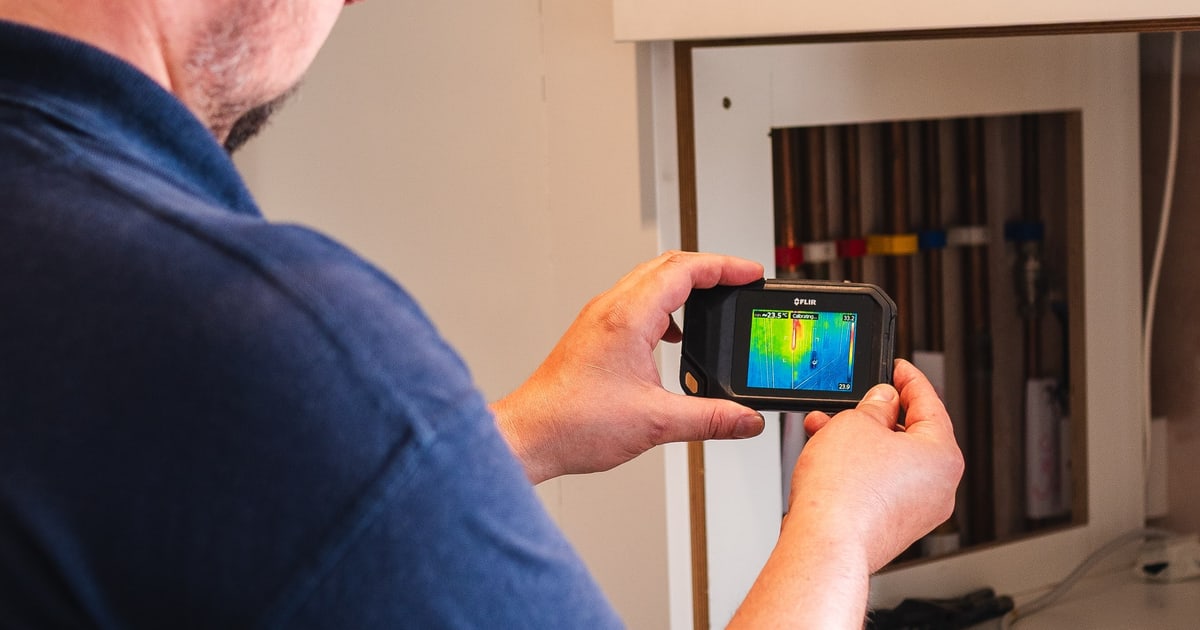
A water mains leak in King's Lynn was located using tracer gas, acoustic listening, pressure testing, and visual inspection, with water mains leak detection pinpointing the exact position on lead pipework in a back garden before any ground was opened, keeping excavation targeted to the affected paving slabs only. Found by engineer Ferenc Gulyas.




The original leak detection company, est. 2011
Facts
| Location | King's Lynn |
|---|---|
| County | Norfolk |
| Leak Type | Water Mains Leak Detection |
| Property Type | Residential property |
| Detection Method | Pressure Testing, Tracer Gas, Acoustic Listening Equipment, Visual Inspection |
| Outcome | Underground mains leak on lead pipe in back garden, repaired. |
Symptoms
The customer at a property in PE30 noticed a water leak somewhere on the property, either internally or externally, and contacted a specialist to investigate. On arrival, the engineer carried out a visual inspection to establish the layout of the system.
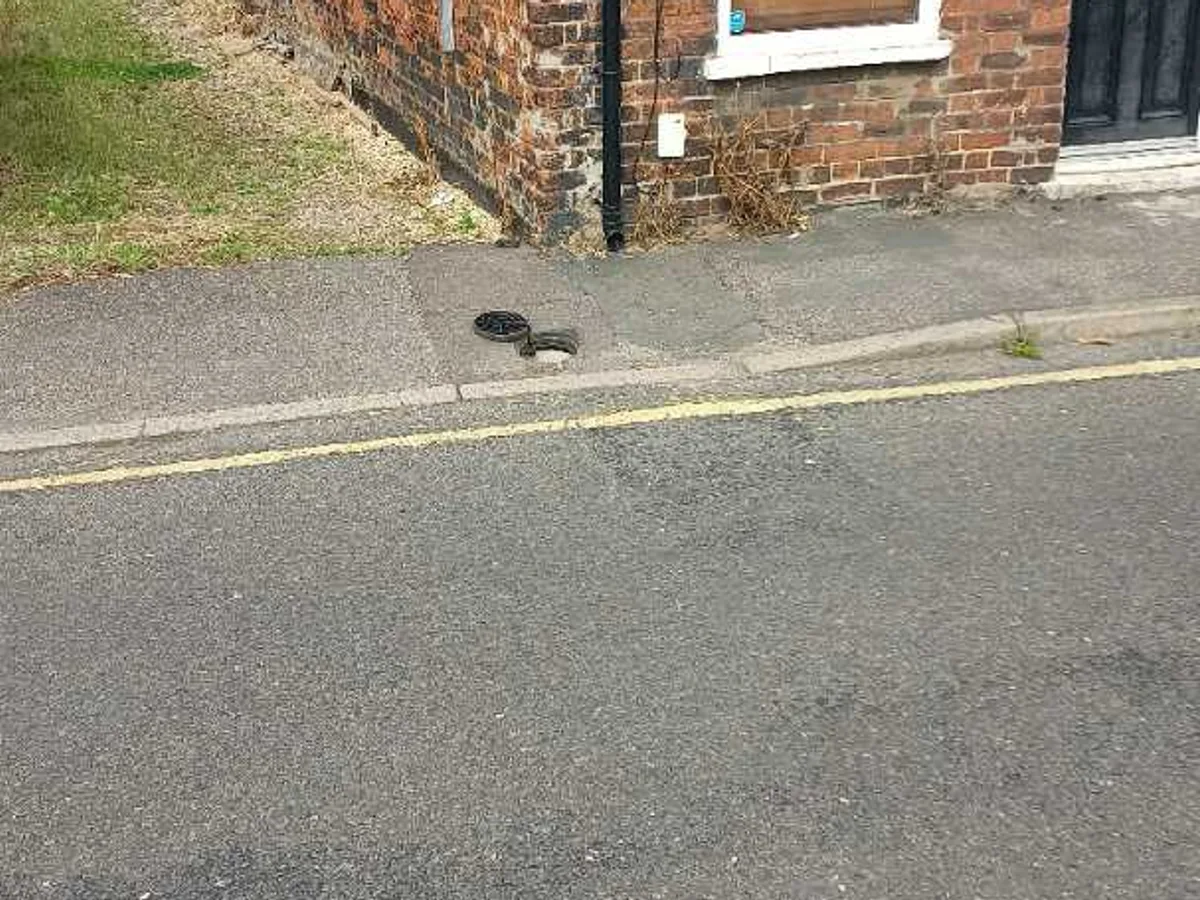
The water meter was located in the public footpath area, with the external main pipework running alongside the building into the back garden, entering the property in the downstairs toilet area and continuing into the kitchen sink unit. The gas combi boiler was located in an upstairs bathroom cupboard.
Methods Used
The investigation began with a water meter check, which showed slow movement indicating active loss. A pressure test kit was connected directly to the external main pipework in the downstairs toilet area and run across the external main, hot, and cold water pipework — the results confirmed a leak was present somewhere in the system.
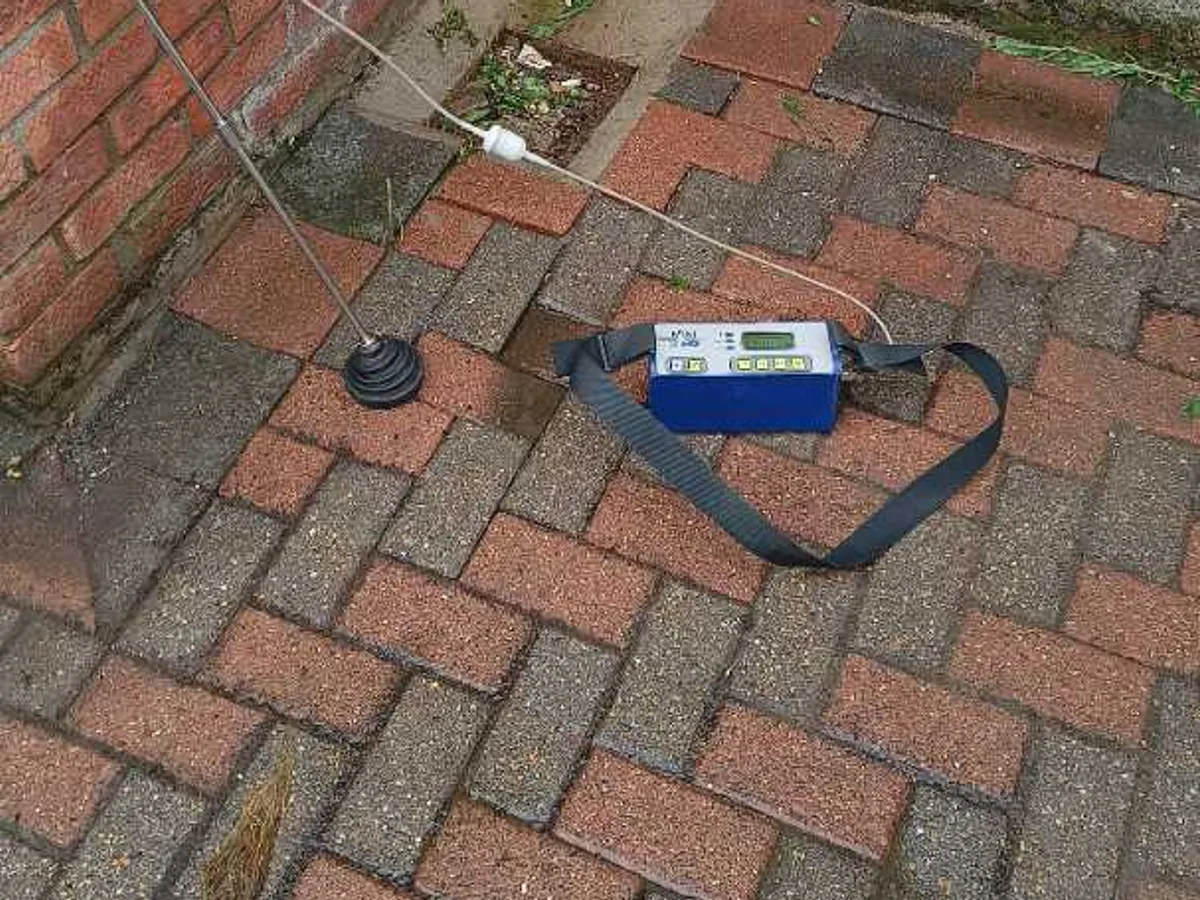
The downstairs toilet was also checked and found not to be functioning. With a leak confirmed under pressure testing, tracer gas was introduced into the pipework; this is a standard method in water mains leak detection for locating underground or concealed leaks where no obvious surface sign exists.
The tracer gas detector identified the leak in the back garden area, and acoustic equipment was then used to pinpoint the exact location within that zone before any excavation took place.
Pressure Testing. A pressure test kit was connected to the external main pipework in the downstairs toilet area and applied across the external, hot, and cold circuits, confirming an active leak was present in the system.
Tracer Gas. Tracer gas was introduced into the pipework and a detector used to identify the general leak location in the back garden area of the property.
Acoustic Listening Equipment. Acoustic equipment was used after the tracer gas narrowed the area, pinpointing the precise location of the leak underground before the paving slabs were lifted.
Visual Inspection. An initial visual inspection was carried out on arrival to map the incoming main, its route around the building, and the system layout inside the property.
Investigation Process
-
1Water Meter Check
On arrival, the water meter in the public footpath area was inspected. Slow but visible movement confirmed water was leaving the system continuously.
-
2Visual Inspection
A visual inspection was carried out to trace the external main pipework from the meter along the building into the back garden and into the downstairs toilet area and kitchen.
-
3Pressure Testing
A pressure test kit was connected to the external main in the downstairs toilet area and tests were run on the external main and the internal hot and cold circuits. Results confirmed a leak was present.
-
4Toilet Inspection
The downstairs toilet was checked during the investigation and found not to be working correctly, flagging a secondary issue to be addressed.
-
5Tracer Gas Investigation
Tracer gas was introduced into the pipework and the detector identified the leak location in the back garden area of the property.
-
6Acoustic Pinpointing
Acoustic equipment was used to pinpoint the exact underground leak location within the back garden before any ground was opened.
-
7Customer Informed
The customer was informed of the confirmed leak location and the proposed repair options before any excavation was started.
-
8Excavation and Leak Identification
Paving slabs in the back garden were lifted to expose the pipework. One leak was identified on the existing 27mm lead pipework.
-
9Repair and Retest
The leaking section of lead pipe was replaced using Philmac UTC couplings and new 25mm MDPE pipe with inserts. A retest was carried out and passed, confirming no further leaks.
-
10Stopcocks and Toilet Repair
Two internal stopcocks were fitted to the external pipework to give future isolation capability. The downstairs toilet cistern float valve was replaced and the toilet returned to working order.
-
11Water Pressure Restored
Water pressure was restored throughout the property, confirmed at 3.5 bar, with all circuits functioning correctly.
Result & Outcome

The leak was located on the 27mm lead pipework in the back garden of the property in PE30. The combination of tracer gas and acoustic equipment allowed the exact point to be identified before any ground was opened, meaning the excavation was targeted and limited to lifting the relevant paving slabs over the affected section. This precision is the primary value of water mains leak detection carried out this way — no unnecessary disruption to the surrounding area.
Suspect a leak at your property?
ADI Leak Detection specialists investigate leaks like this across the UK every day. No find, no fee terms apply on qualifying jobs.