
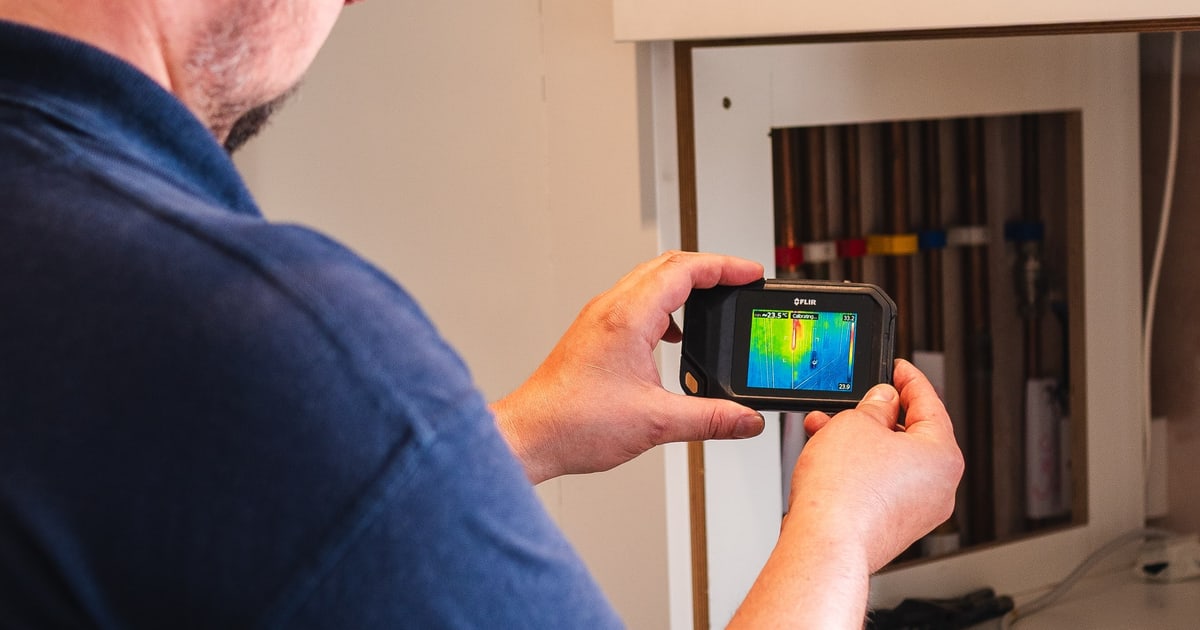
Water Mains Leak Detection in Didcot
An underground water mains leak in Didcot was located using an acoustic listening stick, tracer gas, sectional isolation, and visual inspection, with water mains leak detection identifying two active leaks — one on a stop valve inside a buried chamber and one on a supply pipe to a disused garden tap — alongside three further minor fitting leaks referred for repair. Found by engineer Krzysztof Kobylinski.




The original leak detection company, est. 2011
Facts
| Location | Didcot |
|---|---|
| County | Oxfordshire |
| Leak Type | Water Mains Leak Detection |
| Property Type | Residential property |
| Detection Method | Acoustic Listening Stick, Tracer Gas, Visual Inspection, Sectional Isolation |
| Outcome | Stop valve leak repaired; garden tap supply isolated; meter referral recommended. |
Symptoms
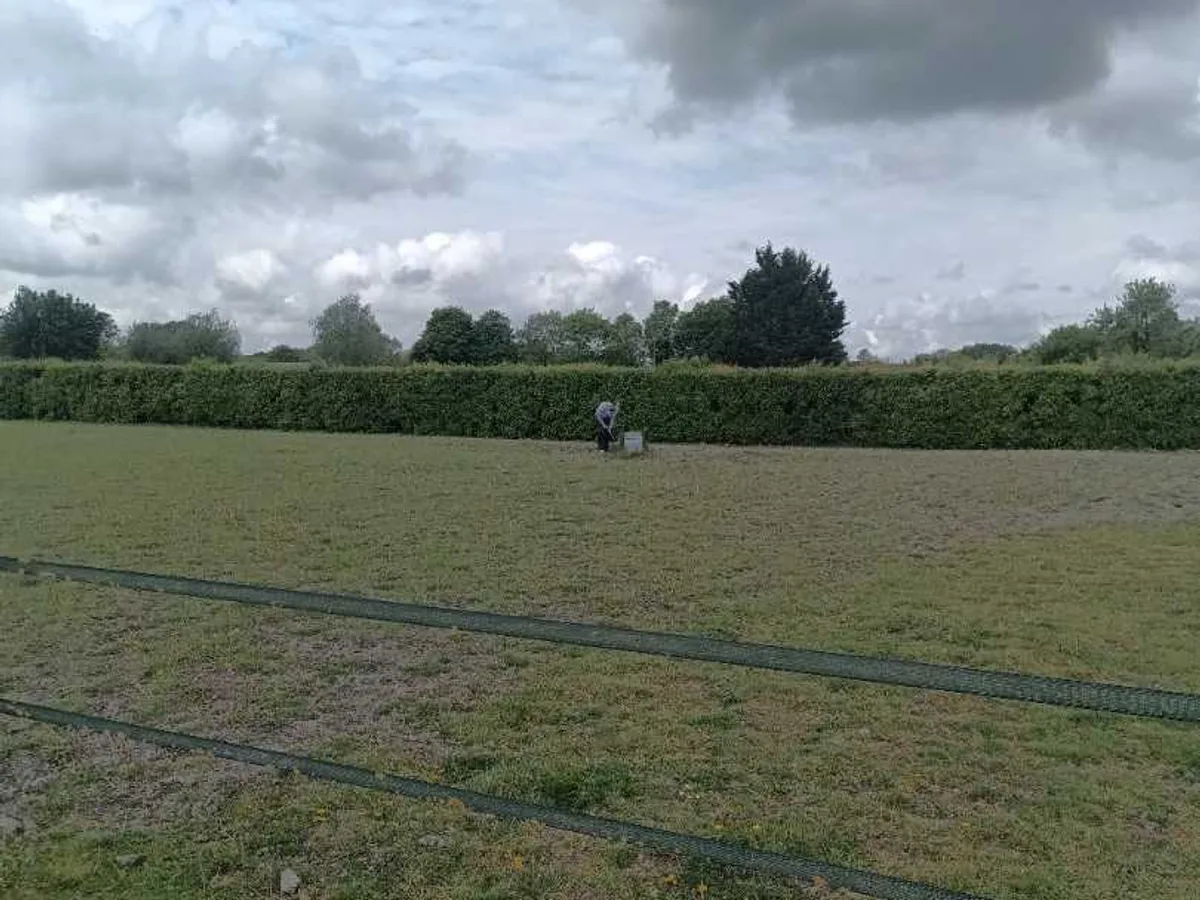
With livestock water troughs, stable supplies, and garden tap pipework all drawing from the same system, isolating the cause required a methodical approach. A water mains leak detection survey was the appropriate response given the scale of the site and the multiple potential leak points across buried and surface-level pipework.
The meter continued to register usage even with no deliberate draw on the system, confirming an active, uncontrolled loss somewhere on the supply network.
Methods Used

Given the size of the site and the number of supply branches — troughs, stables, barns, and garden taps — the investigation began with a full visual inspection of all 20 water troughs before moving to acoustic and tracer gas methods for buried pipework. This combination is well-suited to water mains leak detection across agricultural properties where supply lines run underground between structures and may not have been accessed in years.
Acoustic listening was used to survey pipework runs, and tracer gas testing identified a high reading at a hidden valve chamber serving the water troughs. The chamber was excavated to expose the stop valve, which was found to be leaking and was repaired on site.
Post-repair monitoring then revealed a further leak on a garden tap supply pipe, which was isolated after the customer confirmed the tap was no longer required.
Acoustic Listening Stick. Used to survey buried pipework across the farm site, helping to identify sections with audible leak noise before tracer gas was deployed.
Tracer Gas. Detected elevated gas readings at a hidden valve chamber supplying the water troughs, directing the team to the exact excavation point.
Visual Inspection. Applied across all 20 water troughs, identifying 3 minor fitting leaks that the customer then arranged to have repaired by their own plumber.
Sectional Isolation. Used to isolate the disused garden tap supply pipe after a leak was identified on it, stopping further meter loss from that branch.
Investigation Process
-
1Visual inspection of all water troughs
All 20 water troughs were inspected. Three minor leaks were found on fittings; the customer arranged for their own plumber to repair these.
-
2Acoustic and tracer gas survey of buried pipework
A listening stick was used across the supply network, followed by tracer gas testing. High gas readings were detected at a hidden valve chamber serving the water troughs.
-
3Excavation of valve chamber
Chamber sections were removed to expose the stop valve. A leak was confirmed on the stop valve, which was repaired on site.
-
4Post-repair meter monitoring
Following the stop valve repair, the digital water meter continued to register usage, indicating at least one further leak remained active on the system.
-
5Leak identified on garden tap supply pipe
Further investigation located a leak on the supply pipe to a garden tap. The customer confirmed the tap was no longer in use, so the pipe was isolated.
-
6Ongoing meter anomaly identified
After all known leaks were addressed, the meter was still recording approximately 1 litre every 10 minutes, with flow appearing to move both forward and backward — indicating either a faulty meter or a missing check valve.
-
7Recommendation to contact Water Board
The customer was advised to contact the Water Board to inspect or replace the digital meter and to consider installing a check valve to prevent backflow and ensure accurate readings.
Result & Outcome

Two active leaks were located and resolved during the visit: a leak on a stop valve inside a buried chamber serving the water troughs, and a leak on the supply pipe to a disused garden tap. The stop valve leak was repaired directly; the garden tap supply was isolated at the customer's request. Three further minor fitting leaks on the water troughs were identified visually and referred to the customer's own plumber.
Despite these repairs, the meter continued to show a residual reading of around 1 litre every 10 minutes, with the unusual behaviour of flow appearing to register in both directions. This is not consistent with a live supply leak and points instead to either a faulty digital meter or the absence of a functioning check valve — neither of which falls within the scope of a water mains leak detection survey to resolve.
The site was left clean, safe, and tidy. The customer has been advised to contact the Water Board to investigate the meter and consider installing a check valve. All confirmed leak sources on the private supply network have been dealt with.
Suspect a leak at your property?
ADI Leak Detection specialists investigate leaks like this across the UK every day. No find, no fee terms apply on qualifying jobs.