
Underground Water Mains Leak Detection in Coventry
A underground mains leak in Coventry was located using tracer gas, acoustic listening, and pressure testing, with water mains leak detection confirming the fault at an elbow fitting in the rear alleyway. Found by engineer Krzysztof Kobylinski.




The original leak detection company, est. 2011
Facts
| Location | Coventry |
|---|---|
| County | West Midlands |
| Leak Type | Water Mains Leak Detection |
| Property Type | Residential property |
| Detection Method | Tracer Gas, Acoustic Listening, Visual Inspection, Pressure Testing |
| Outcome | Underground mains leak found in rear alleyway, excavated and repaired. |
Symptoms
The occupants of a property in CV3 noticed a steady drop in water pressure alongside an unexplained rise in their water bill. On arrival, no visible water ingress or damage was present inside or outside the property, making the source of the problem difficult to identify without specialist equipment.
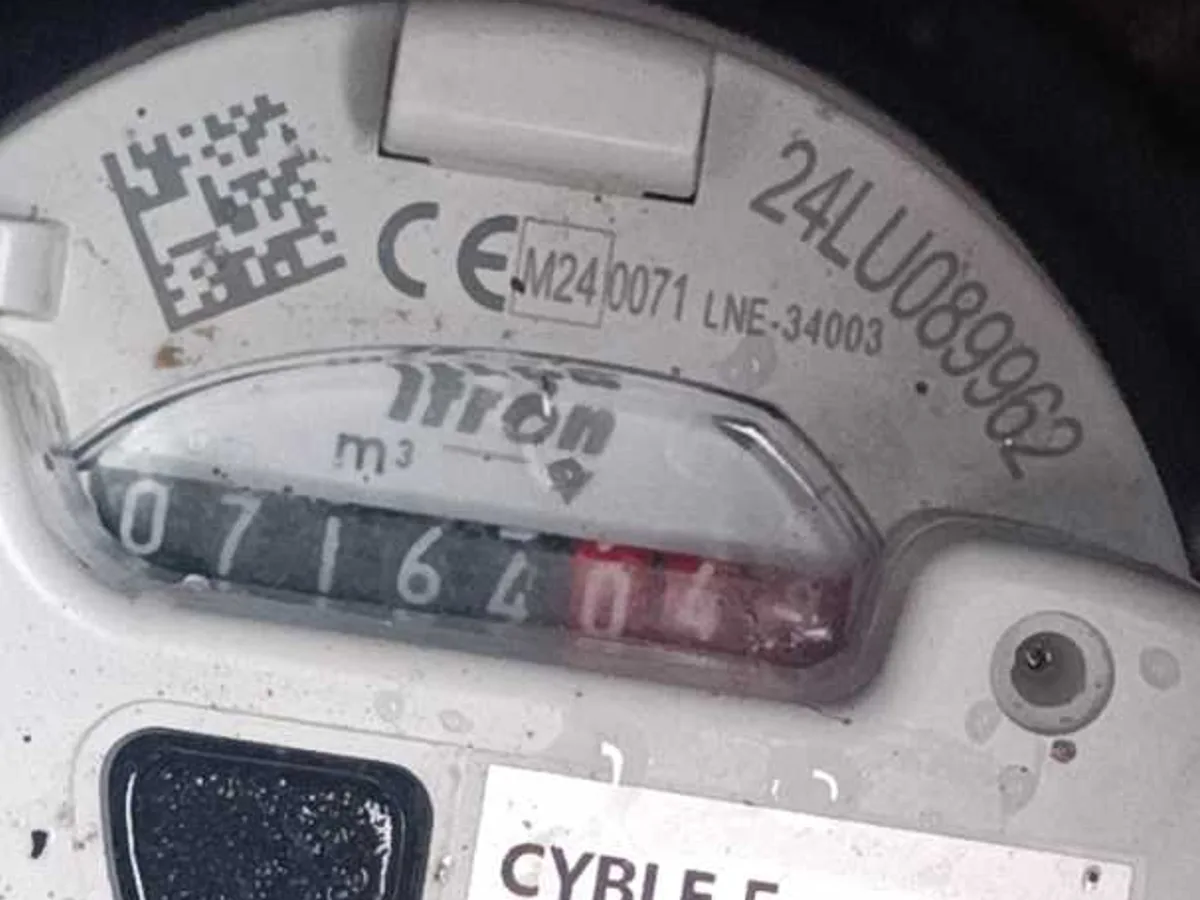
A check of the water meter confirmed it was spinning despite no water being actively used, pointing clearly to an active leak somewhere within the property's supply pipework. Cases like this — where the leak is concealed and underground — are precisely what water mains leak detection is designed to address.
With no obvious surface signs, the investigation focused on the external water supply, tracing the pipework from the meter through to the building to identify where loss was occurring.
Methods Used
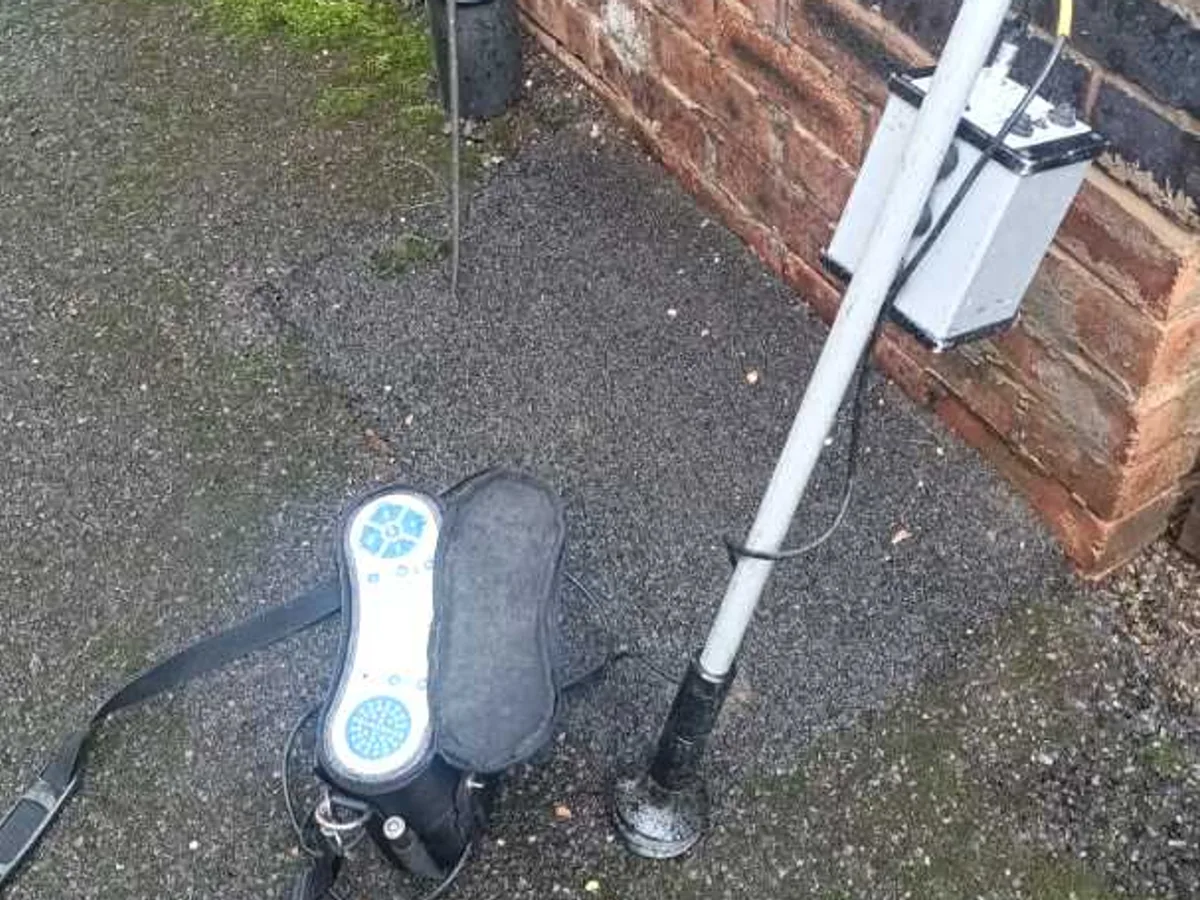
The external water supply was the primary focus of the investigation. Tracer gas was introduced into the pipework and an acoustic listening device was used to survey the route of the supply, including into the shared rear alleyway.
A strong gas signal combined with a clear acoustic response identified the leak location in the alleyway without the need for guesswork or extensive excavation.
This approach — combining tracer gas and acoustic listening — is standard practice in water mains leak detection where pipework runs underground and out of direct sight. Both methods corroborated the same location, giving clear confidence before any ground was broken.
Permission was obtained from the neighbouring property before excavation proceeded.
Tracer Gas. Introduced into the external supply pipework to travel through any breach and surface at the leak point, producing a strong detection signal in the rear alleyway.
Acoustic Listening. Used to survey the pipework route and identify the characteristic noise of escaping water, which was detected clearly in the shared alleyway area.
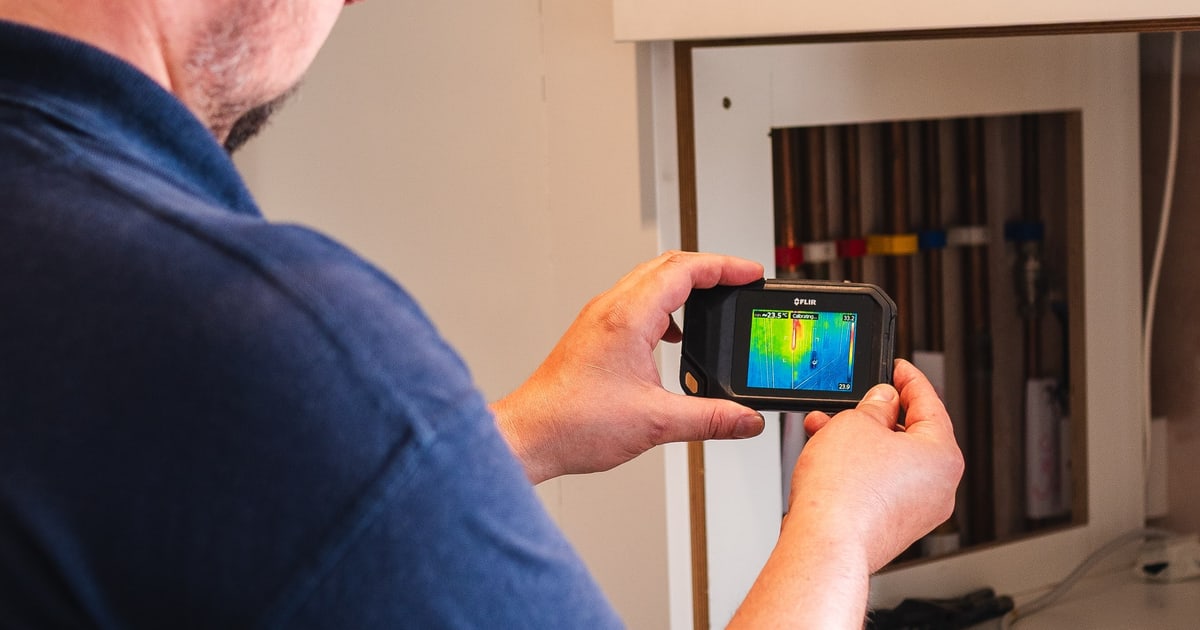
Visual Inspection. Carried out on arrival to confirm the absence of visible water ingress or surface damage before proceeding to instrument-based detection.
Pressure Testing. Used to retest the system following repair, confirming no further leaks remained on the external water supply.
Investigation Process
-
1Meter Check on Arrival
The water meter was inspected and found to be spinning with no water in use, confirming an active leak was present within the supply system.
-
2Visual Inspection
A visual check of the property found no signs of water ingress or surface damage, ruling out any obvious above-ground source.
-
3Tracer Gas Introduced
Tracer gas was injected into the external water supply pipework to begin locating the breach underground.
-
4Acoustic Survey of Pipework Route
An acoustic listening device was used to survey the supply line, with a strong noise response detected in the rear alleyway area.
-
5Gas Detection Confirmed in Alleyway
Tracer gas readings confirmed the same location identified acoustically, pinpointing the leak to the rear alleyway without ambiguity.
-
6Permission Obtained and Excavation Carried Out
With agreement from the neighbouring property, a targeted excavation was completed in the shared alleyway, exposing the faulty fitting.
-
7Leak Identified at MDPE Elbow Fitting
A 25mm MDPE elbow fitting was found to be leaking; the pipe section had been cut too short and two pipe inserts were missing.
-
8Repair Completed
The defective fitting was replaced using a Plasson straight coupler, Plasson elbow, correct pipe inserts, and 25mm MDPE pipe, with all components properly installed.
-
9Retest and Reinstatement
A pressure test confirmed no further leaks on the external supply. The excavation was backfilled and the site left clean, safe, and tidy.
Result & Outcome

The leak was located in the rear alleyway at a 25mm MDPE elbow fitting on the external water supply. On excavation, it was clear the pipe had been cut too short during a previous installation, and two pipe inserts were absent — faults that would have caused the fitting to fail over time regardless of other factors.
The repair used a Plasson straight coupler, Plasson elbow, pipe inserts, and 25mm MDPE pipe to restore the supply correctly. A pressure test following the repair confirmed no further leaks remained on the external supply, giving a clean result before the trench was backfilled.
For a property in CV3 dealing with unexplained bill increases and pressure loss, this is the typical resolution a water mains leak detection investigation delivers — a defined fault location, a completed repair, and a system that retests clear. The customer is advised to check their building insurance for Trace and Access cover, as the detection and repair costs may be reclaimable.
Suspect a leak at your property?
ADI Leak Detection specialists investigate leaks like this across the UK every day. No find, no fee terms apply on qualifying jobs.