
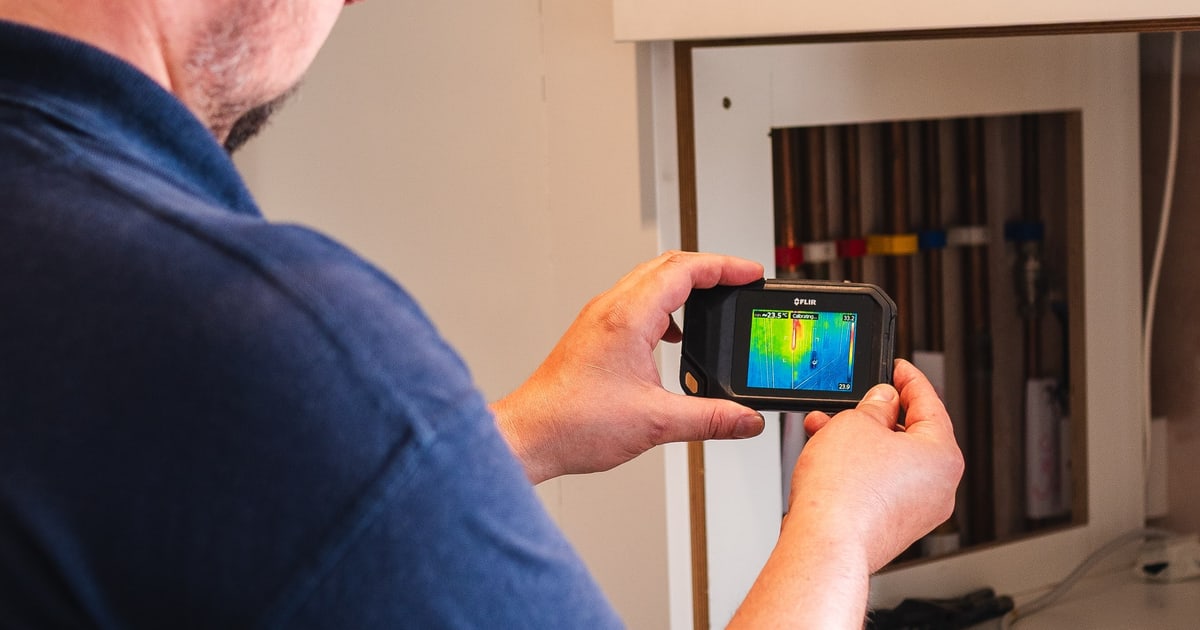
Hot Water System Leak Detection in Gedling
A hot water system leak in Gedling was located using pressure testing, tracer gas, acoustic listening, sectional isolation, and borescope inspection, completing hot water leak detection across the property and confirming no further leaks were present following repair. The work was carried out by engineer Phillip Whitehouse.




The original leak detection company, est. 2011
Facts
| Location | Gedling |
|---|---|
| County | Nottinghamshire |
| Leak Type | Hot Water Leak Detection |
| Property Type | Residential property |
| Detection Method | Pressure Testing, Tracer Gas, Acoustic Listening Equipment, Sectional Isolation, Borescope |
| Outcome | Open-ended pipe found beneath bath, repaired with Speedfit coupler. |
Symptoms
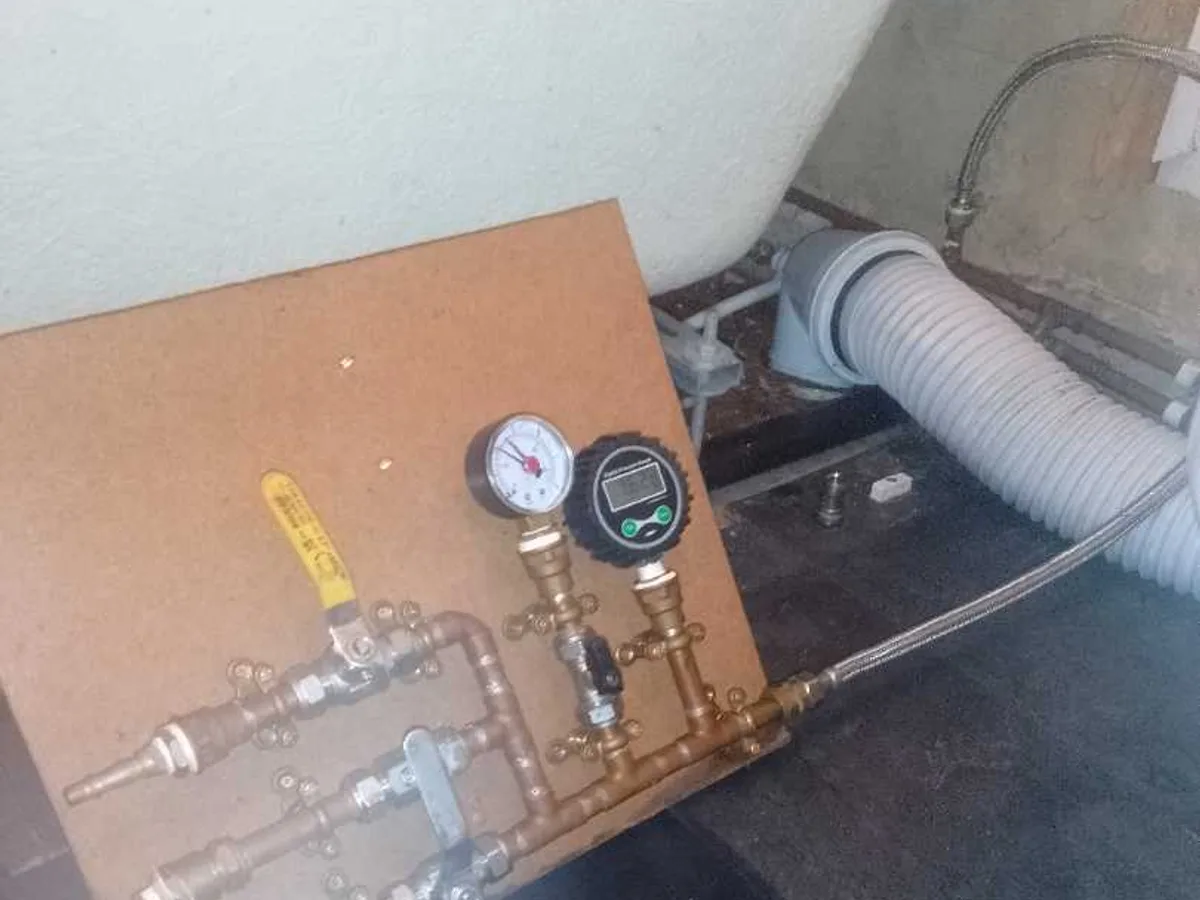
This was a hot water leak detection job with an added layer of complexity: part of the hot water pipework had been capped off — most likely as a temporary measure by the previous plumber — meaning the system could not be tested as a single circuit. Any leak in the capped section would have been masked if testing had not been extended to cover it separately.
The customer's concern proved to be well founded.
Methods Used
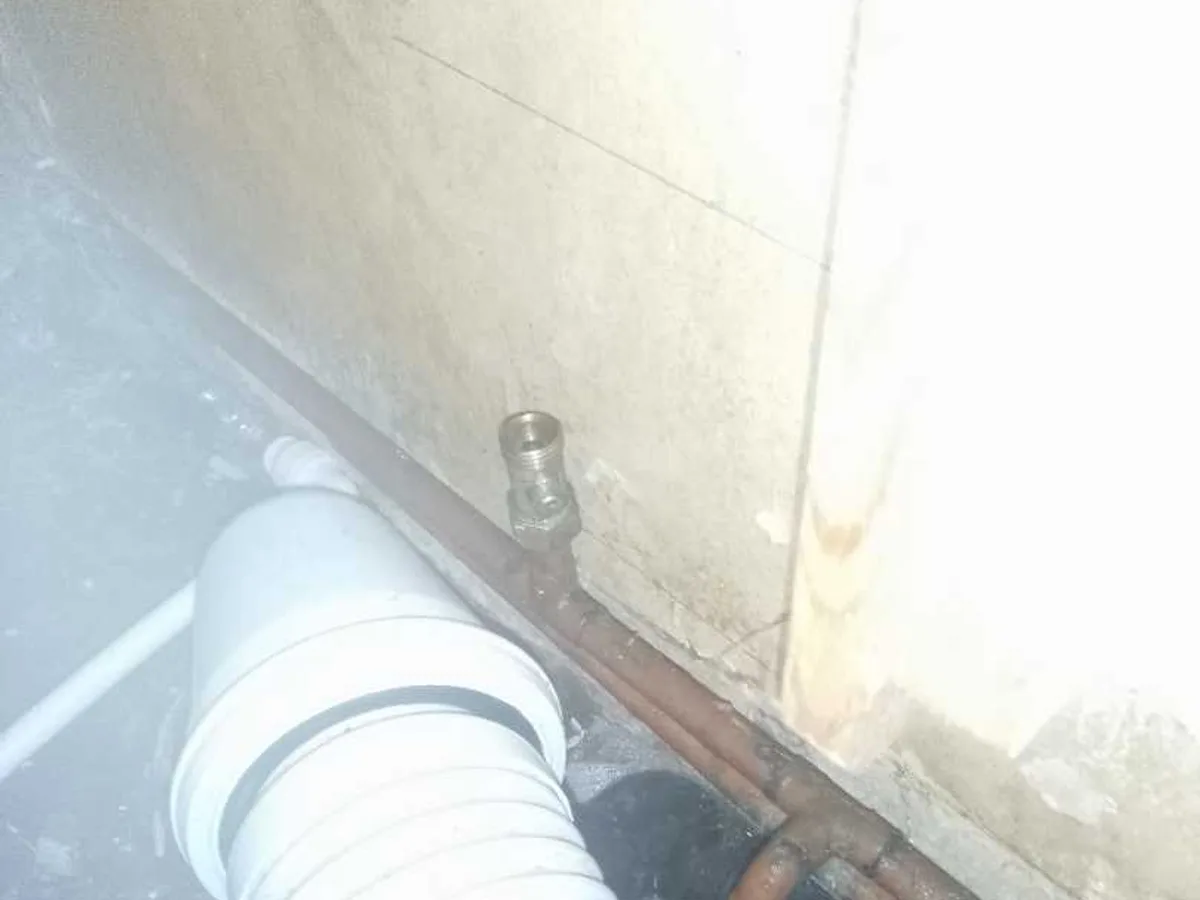
With the leak confirmed in that section, tracer gas was introduced into the pipework and acoustic testing equipment was deployed to pinpoint its exact position. This combination of methods — standard in hot water leak detection where the leak source is not visually obvious — directed the engineer beneath the bath, where an open-ended pipe was found.
Once the repair was completed, the entire property's plumbing was re-pressure tested at 2 bar to verify that no further leaks remained.
Pressure Testing. Used to confirm that the capped-off hot water pipe could not hold pressure, establishing that a leak was present in that isolated section.
Tracer Gas. Introduced into the failed pipe run to allow gas detection equipment to trace the leak path through the structure to its point of escape.
Acoustic Listening Equipment. Used alongside tracer gas beneath the bath to pinpoint the precise location of the open-ended pipe.
Sectional Isolation. Allowed the capped-off hot water section to be tested independently from the rest of the system, which had already passed pressure testing.
Borescope. Available for visual inspection of concealed pipework as part of the investigation toolkit deployed on this job.
Investigation Process
-
1System isolated and drained
The cold water supply was isolated using the internal stop tap in the bathroom. The system was then drained to allow pressure testing equipment to be connected.
-
2Main hot water circuit tested
The accessible hot water pipework was pressure tested first. No pressure drop was detected, indicating that portion of the system was intact.
-
3Capped pipe identified and tested separately
It was noted that part of the hot water supply had been capped off. This section was connected to the testing equipment independently and was unable to hold any pressure, confirming a leak within it.
-
4Tracer gas and acoustic testing deployed
Tracer gas was introduced into the failing pipe run and acoustic equipment was used to trace the leak. Both methods directed the engineer to beneath the bath.
-
5Open-ended pipe located beneath bath
An open-ended pipe was found beneath the bath — the source of the leak. This was repaired on site.
-
6Full system re-tested at 2 bar
Following the repair, the entire property's plumbing system was pressure tested at 2 bar. No pressure drop was observed, confirming the leak had been resolved.
Result & Outcome

Following the repair, the full plumbing system across the property was re-pressure tested at 2 bar with no subsequent pressure drop, providing confirmation that no further leaks are present. The engineer also noted visible silicone leakage around the bath and has recommended that the customer arrange for the bath to be re-sealed by a suitable professional. That observation is unrelated to the pipe leak but is worth addressing to prevent water ingress over time.
Suspect a leak at your property?
ADI Leak Detection specialists investigate leaks like this across the UK every day. No find, no fee terms apply on qualifying jobs.