
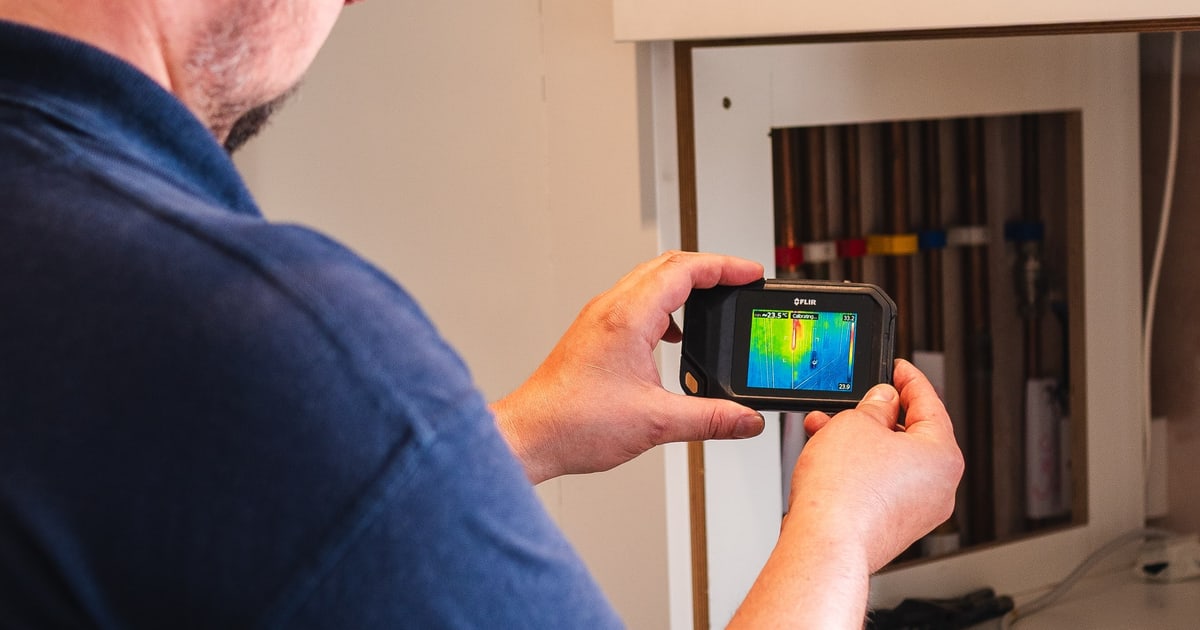
Central Heating Leak Detection in Croydon
A central heating leak in Croydon was located using pressure testing, acoustic listening, tracer gas, and visual inspection, with central heating leak detection confirming the source beneath a garage kitchen worktop where rats had gnawed through a plastic heating pipe under the wall. The work was carried out by engineer Krzysztof Kobylinski.




The original leak detection company, est. 2011
Facts
| Location | Croydon |
|---|---|
| County | London |
| Leak Type | Central Heating Leak Detection |
| Property Type | Residential property |
| Detection Method | Pressure Testing, Acoustic Listening, Tracer Gas, Visual Inspection |
| Outcome | Leak found on buried heating pipe, repaired under kitchen worktop. |
Symptoms
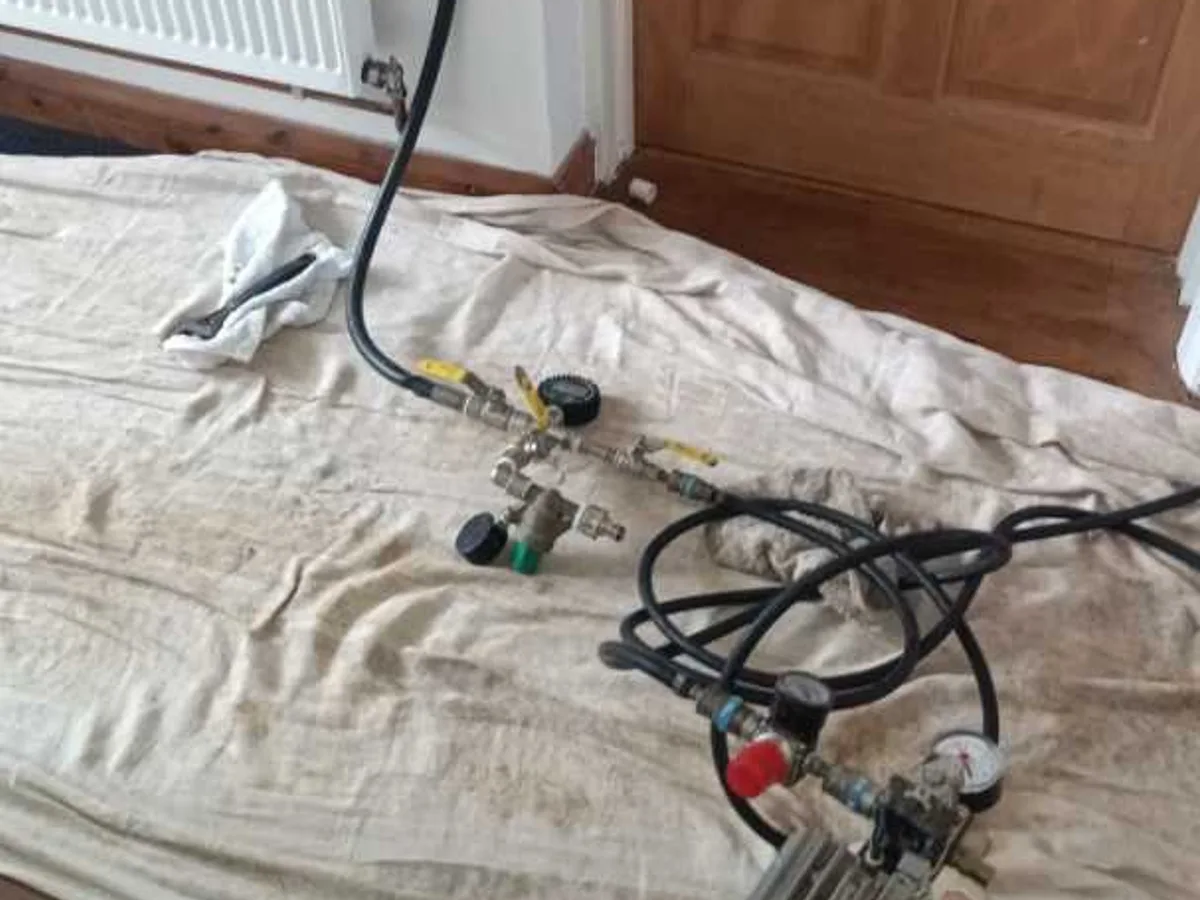
The heating system at a property in CR0 had been completely off for around one week. When an attempt was made to refill and pressurise the system, the pressure would not hold — indicating a leak somewhere within the pipework.
There was no visible water, no sign of surface damage, and the heating had simply stopped functioning without any obvious indication of where the fault lay.
With no water showing and no accessible point of failure, this was a concealed leak investigation. The absence of visible damage made central heating leak detection the only reliable route to identifying the source before any remedial work could be carried out.
Methods Used
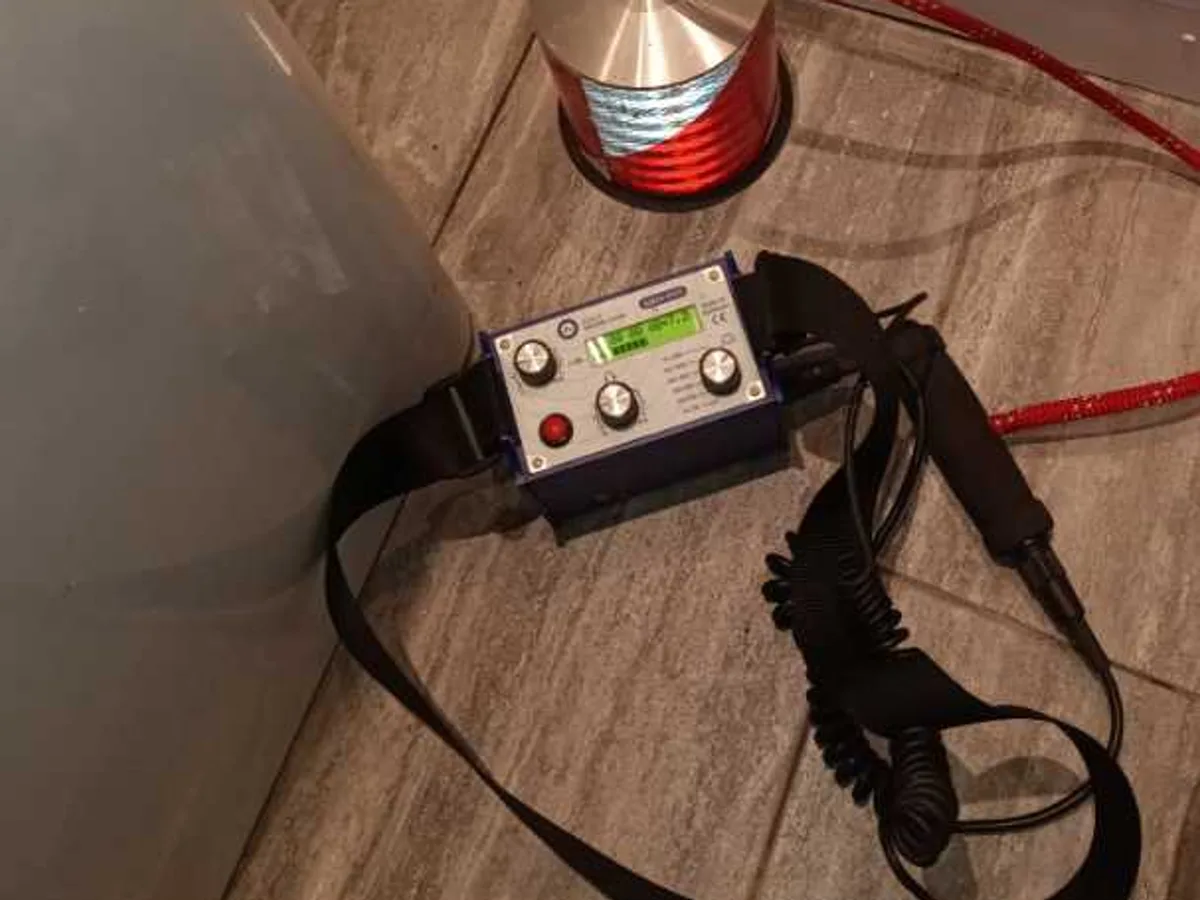
The investigation began with a compressor and listening stick across the system, but these produced no usable results. An acoustic device was then deployed and returned a strong noise signal in the small bathroom of the garage, which had been converted into a studio flat.
On the basis of this, a targeted excavation was carried out in that bathroom — revealing one heating pipe and two water supply pipes, with minor dent damage visible on the water pipes but no confirmed leak point.
Investigation continued into the garage kitchen, where further acoustic work under the worktop behind the washing machine indicated noise in the concrete floor. A small opening was made, and tracer gas was finally detected at that location after earlier attempts across the system had returned no readings.
This combination of acoustic listening and tracer gas is standard practice in central heating leak detection where pipework is buried beneath concrete. Excavation under the kitchen worktop confirmed the source: a damaged 15mm grey plastic heating pipe just below the wall, close to the underside of the bathroom shower tray.
Pressure Testing. Used to confirm the system could not hold pressure when refilled, establishing that a leak was present before investigative work began.
Acoustic Listening. A listening stick was applied across the system at the outset but returned no detectable results on this job. An acoustic device then picked up a strong noise signal in the garage bathroom, directing the investigation toward that area and later identifying noise beneath the kitchen worktop floor.
Tracer Gas. Injected into the system after acoustic work narrowed the search area; no readings were obtained across the broader system, but a clear gas reading was finally detected beneath the kitchen worktop concrete floor, confirming the leak location.
Visual Inspection. Once excavations were made, visual inspection confirmed the damaged 15mm plastic heating pipe, identified rat damage as the cause, and assessed the condition of adjacent pipework under the shower tray.
Investigation Process
-
1System pressurisation attempted
On arrival, an attempt was made to fill and pressurise the heating system. Pressure would not hold, confirming an active leak somewhere in the pipework.
-
2Listening stick deployed — no result
A compressor was installed and a listening stick applied across the system. No useful signal was detected at this stage.
-
3Acoustic device detects signal in garage bathroom
An acoustic device was used and returned a strong noise reading in the small bathroom within the converted garage studio flat.
-
4Tracer gas introduced — no initial readings
Tracer gas was injected into the system and checked across accessible areas. Despite using the full quantity available, no gas readings were detected at this point.
-
5Excavation in garage bathroom
With permission granted by the customer, a hole was dug in the garage bathroom floor. One heating pipe and two water supply pipes were found; the water pipes showed minor dent marks but no confirmed leak.
-
6Acoustic noise detected under kitchen worktop
In the garage kitchen, acoustic equipment identified noise beneath the concrete floor behind the washing machine, under the worktop.
-
7Small opening made — tracer gas reading obtained
A small opening was cut in the kitchen floor at the indicated location. A tracer gas reading was finally detected, confirming the leak was in this area.
-
8Excavation and leak located
The area under the kitchen worktop was excavated, revealing a leaking grey 15mm plastic heating pipe just beneath the wall, close to the underside of the bathroom shower tray. Rat damage was identified as the cause.
-
9Pipe repaired
The wall opening was enlarged to allow access and the damaged section of pipe was repaired using compression pushfit fittings, inserts, and Hep2o pipe.
-
10System tested, backfilled, and refilled
The heating system was pressure tested — no further leaks were found. The excavation was backfilled, the opening covered with plywood for safety, and the system was refilled and confirmed to be working correctly.
Result & Outcome

The leak was located on a grey 15mm plastic heating pipe beneath the garage kitchen worktop, positioned just under the wall and close to the underside of the bathroom shower tray. The damage was caused by rats, which had gnawed through the pipe. A section of pipework extending further under the shower tray was also found to be in poor condition but was not accessible for repair at this time.
The confirmed leak point was repaired using compression pushfit fittings, inserts, and Hep2o pipe. The system was pressure tested after the repair with no further leaks detected, and the heating was refilled and returned to full working order. The excavation was backfilled and covered with plywood, and the site was left clean and safe.
For a job of this complexity — buried pipework, no surface signs, and an initial failure of tracer gas to return readings — central heating leak detection required a layered approach combining acoustic listening and tracer gas before the precise location could be confirmed. The remaining pipework under the shower tray will need monitoring, and rat extermination is required to prevent further damage.
Suspect a leak at your property?
ADI Leak Detection specialists investigate leaks like this across the UK every day. No find, no fee terms apply on qualifying jobs.