
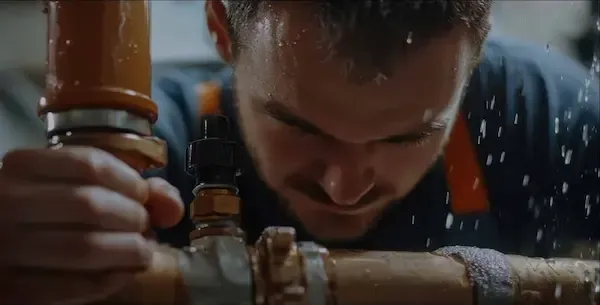


ADI Leak Detection specialists at work

WATER SEEPING THROUGH FLOOR:
CAUSES AND SOLUTIONS

Water Seeping Through FloorCauses and Solutions

Water seeping through the concrete floor of your house indicates a hidden water leak.

There are many causes of water rising through the floor of your property including structural, plumbing or drainage issues.

Hidden water leaks under a floor have potential to cause serious water damage to your home including mould, mildew, structural damage and pest infestations.

Solving the cause of water ingress through the floor requires a professional leak inspection using non-invasive leak detection techniques. ADI Leak Detection provide both plumbing and structural leak detection services

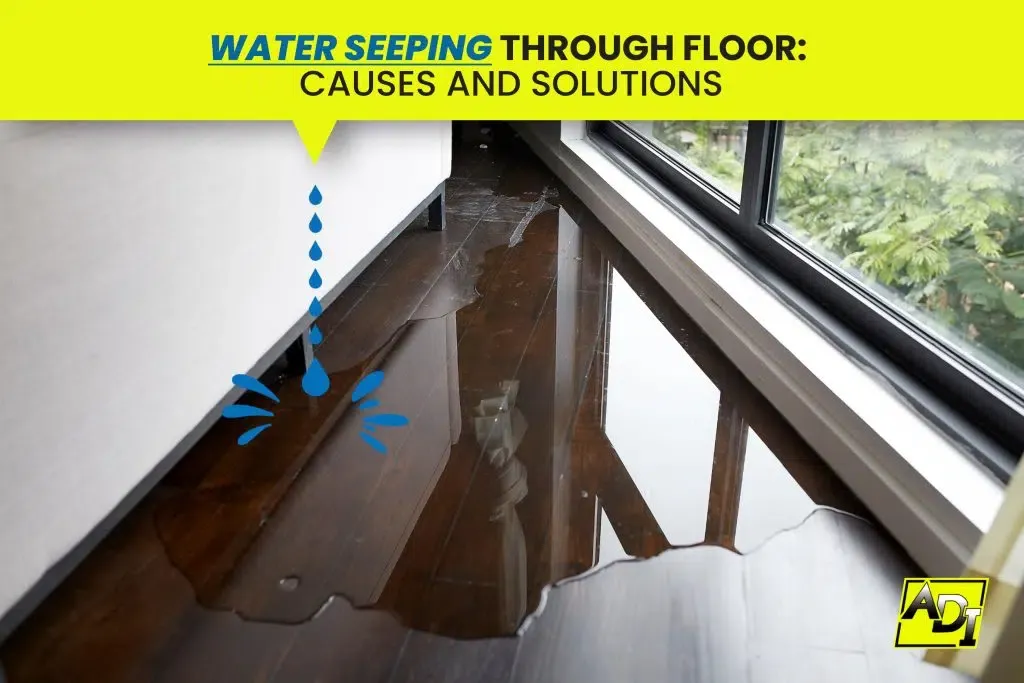
Water puddle on wooden floor near window

Why Is Water ComingThrough My Floor?

Water seeping through your wood floor, basement floor or concrete floor can be caused by several issues.

  1. Cracks in the foundation: Cracks in the foundation allow water to seep through the floor. This is particularly common in homes with concrete foundations, as concrete is prone to cracking over time.
  2. Plumbing leaks: Plumbing leaks in the subsurface cause water to rise and seep through the flooring. Water from a leaking pipe can seep through walls and floors, causing damage to your home. Water damage from plumbing leaks is especially common in older properties where the pipes are corroded or damaged.
  3. Damaged or improperly installed flooring: Damaged or poorly installed flooring can allow water to seep through. For example, a tile floor with cracked grout will let water pass through the gaps and damage the sub-floor beneath.
  4. A clogged drainage system: Blocked gutters, downspouts, or drainage pipes can cause water and sewerage to back up and rise through the floor, leading to seepage and contamination.
  5. A high water table: A high water table means that the water level in the ground is close to the surface. When this happens, ground water can push up and seep through the floor, especially in basements or lower ground levels.
  6. Failed waterproofing: Failed or deteriorated waterproofing in basements or bathrooms will allow water to seep through the floor and walls, leading to damp, mould and structural damage over time.

The consequences of ignoring water seeping through the floor can be costly and time-consuming to repair.


Is Water Coming UpThrough Floor After Rain?

Water seepage specifically after rainfall indicates a structural issue below the property's surface.

  1. Damp proof membrane: Damaged or missing, leading to rising damp.
  2. Underfloor drain: Potentially broken, causing leaks.
  3. External ground water level: Above DPC (Damp Proof Course), causing water ingress.
  4. Cavity wall: Suggests inspecting for internal water leaks.

Identifying the cause after rainfall requires a structural leak detection investigation.

Consequences OfFloor Water Seepage

Water seeping through the floor can have drastic effects which vary depending on the severity and duration of the issue.

  • Structural damage: If water continues to seep through a floor it will cause damage to the underlying building materials. Structural damage can include a crumbling concrete slab, rotting timber or rusting metal supports.
  • Mould and mildew growth: Water seepage can create a moist environment that is conducive to the growth of mould and mildew. These fungi can cause respiratory problems and may aggravate existing conditions such as asthma.
  • Stains and discolouration: Water seepage can cause unsightly stains and discolouration on flooring, walls, and ceilings, which often require extensive cleaning, redecoration or replacement.
  • Slip and fall hazards: Wet floors can be slippery and pose a slip and fall hazard to occupants of the building, increasing the risk of injury.
  • Electrical hazards: If water seeps into electrical wiring, sockets or appliances, it can create an electrical hazard that could cause a fire, short-circuit or damage to equipment.
  • Pest infestations: Moisture can attract pests such as termites, ants and cockroaches, which can cause further damage to the building structure and create additional health concerns.

It is difficult to determine why water is seeping through a floor without a detailed leak inspection.

Many times it is a combination of factors that are causing the problem, so a professional assessment may be necessary to identify these underlying causes.

How to Stop WaterFrom Seeping Through Your Floor

How to Stop Water From Seeping Through Your Floor

Now that we’ve identified the possible causes and consequences of water seepage, it’s time to look at several solutions that homeowners can employ to stop the seepage and prevent further damage.

Here are some quick fix methods you can try for each of the specific causes of the water seepage:

  1. Damaged surface floor: Repair or replace the damaged flooring to prevent water from seeping through. Consider using a water-resistant material or applying a protective coating on the new flooring.
  2. Cracks in the foundation: Fill any cracks in the foundation with an appropriate sealant to prevent water from seeping through. If the cracks are extensive or recurring, consider hiring a professional to assess and repair the damage.
  3. Plumbing leaks: Fix any leaking pipes as soon as possible. If the leak has caused water damage, dry the affected area thoroughly and repair any damage before replacing any flooring or wall coverings.
  4. Improperly installed or damaged flooring: Repair or replace any damaged flooring and ensure it is properly installed. Consider using a water-resistant underlayment or installing a moisture barrier between the subfloor and the new flooring.
  5. Clogged drainage system: Regularly clean gutters, downspouts and drainage pipes to prevent blockages. Install screens or guards to keep leaves and debris from entering and clogging the drainage system.
  6. High water table: Use a sump pump to remove excess water from the ground beneath your home. Improving drainage in the surrounding area can also help lower the local water table level and reduce seepage.
  7. Roof leaks: Repair any roof damage as soon as possible to prevent water from seeping through. Apply roofing cement to damaged or missing shingles, seal cracks in flashing with roofing cement, and replace damaged flashing or gutters as needed. Reach out to a professional if the damage is extensive.
  8. Poor waterproofing: Install proper waterproofing measures such as waterproof membranes, sealants or specialist coatings to prevent water from seeping through walls and floors, particularly in basements and bathrooms.
  9. Natural disasters: If you live in an area prone to flooding, consider elevating your home or installing flood-resistant materials. Install a sump pump or a French drain to remove excess water, and take additional precautions during periods of heavy rain to reduce the risk of water damage.

READ REVIEWS OF OUR LEAK DETECTION SPECIALISTS

OUR ACCREDITATIONS

Team receiving awards

Seek Professional Help To Locate The Source & Stop Further Water Coming Up Through Your Floor

Our water leak detection experts can trace and repair most types of water leaks that come up through a floor, including:

Our nationwide network of leak detection specialists serves both residential and commercial clients across the UK.

Reach out to our friendly team by calling us now on 0800 731 3843.

CALL NOW ON 0800 731 3843