Woodworm infestation is a common consequence of building leaks.
Moisture from leaks creates an ideal habitat for these pests, leading to structural damage.
Immediate detection and repair of leaks are crucial to prevent woodworm-related deterioration.
Dry and wet rot occurs due to persistent moisture from building leaks.
Damp conditions lead to the decay of wooden structures, compromising the building's integrity.
Identifying and rectifying leaks early can prevent these destructive conditions.
Subsidence, the gradual sinking of a building due to water erosion around the foundation, is often caused by leaks.
Detecting and addressing leaks early can prevent or mitigate subsidence, preserving the building's structural stability.


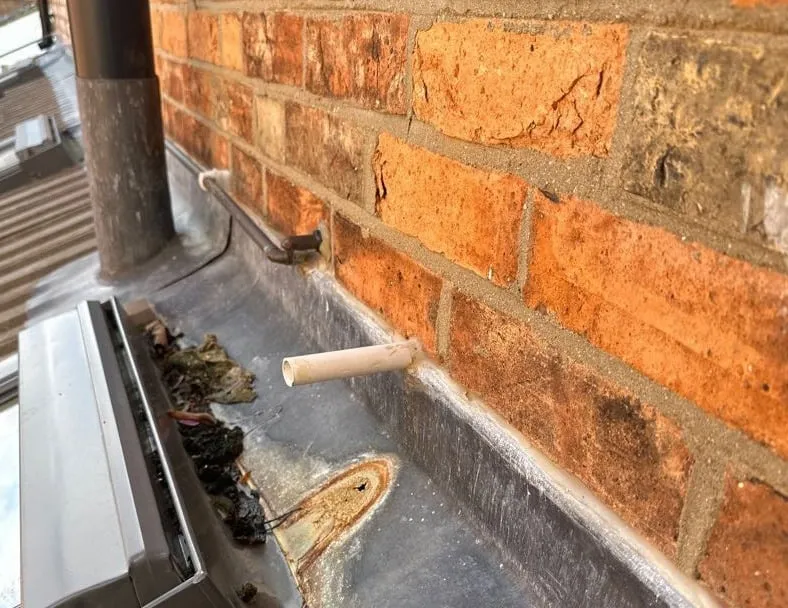
Understanding and protecting against water ingress involves identifying structural weak points such as compromised waterproofing, cracks in concrete or masonry, and deteriorating roof components.
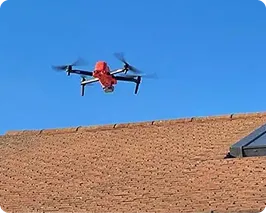
Drones equipped with 8k thermal cameras provide a comprehensive and non-invasive method to detect leaks, offering a bird’s-eye view of hard-to-reach areas and pinpointing temperature anomalies indicative of moisture.

Handheld thermal imaging devices allow for close-up inspections of suspected leak areas, detecting temperature variations caused by moisture presence, and helping to identify the exact location of leaks.
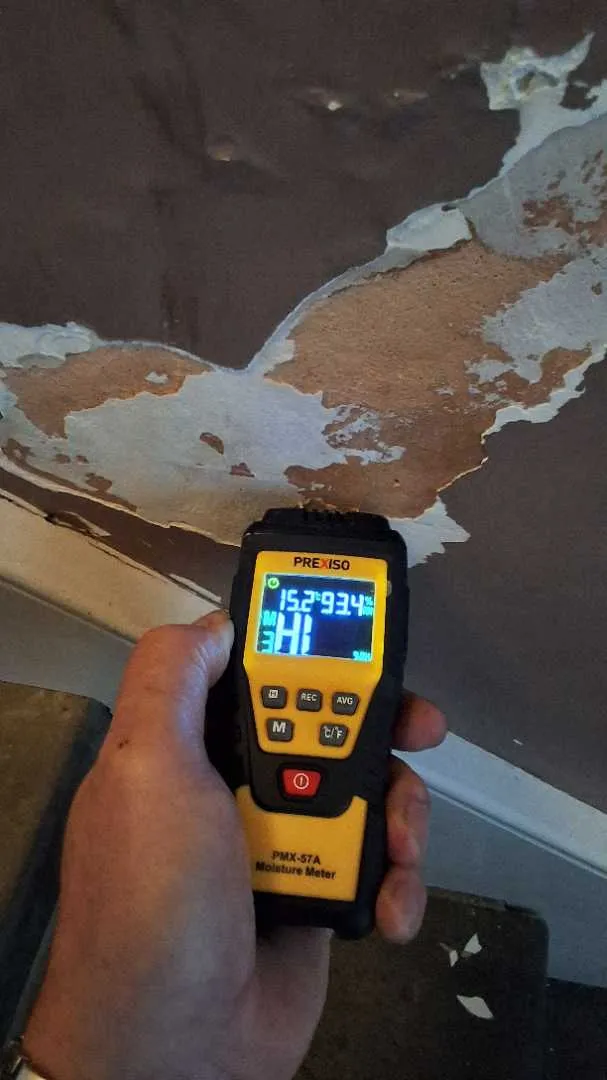
Moisture mapping involves creating a detailed chart of moisture levels across various building components, identifying potential leak sources, and guiding repair strategies.
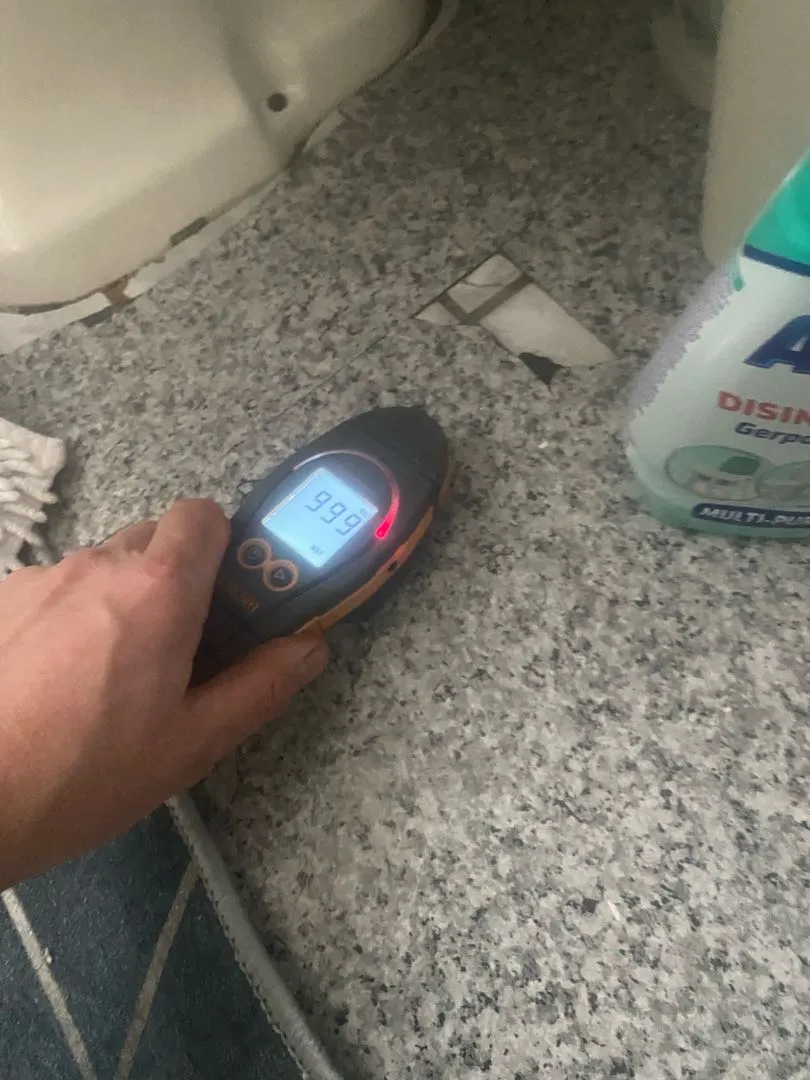
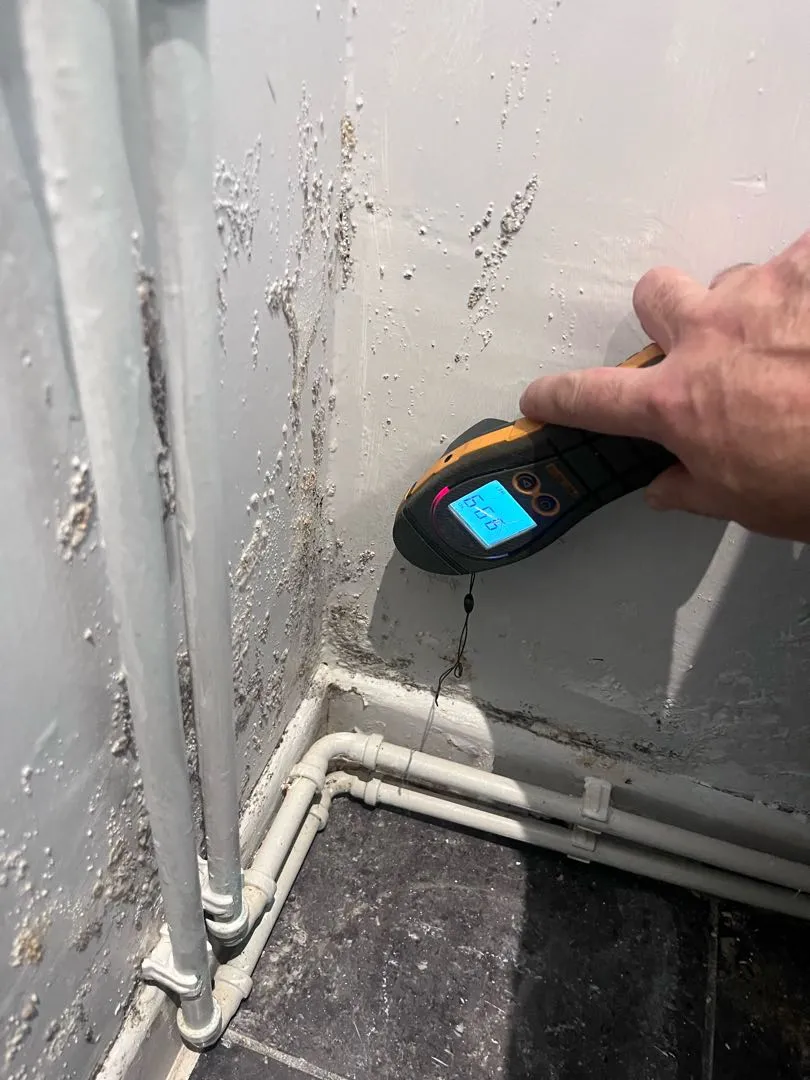
Damp meter surveys measure the moisture content in building materials, indicating potential leak areas and the extent of water damage.
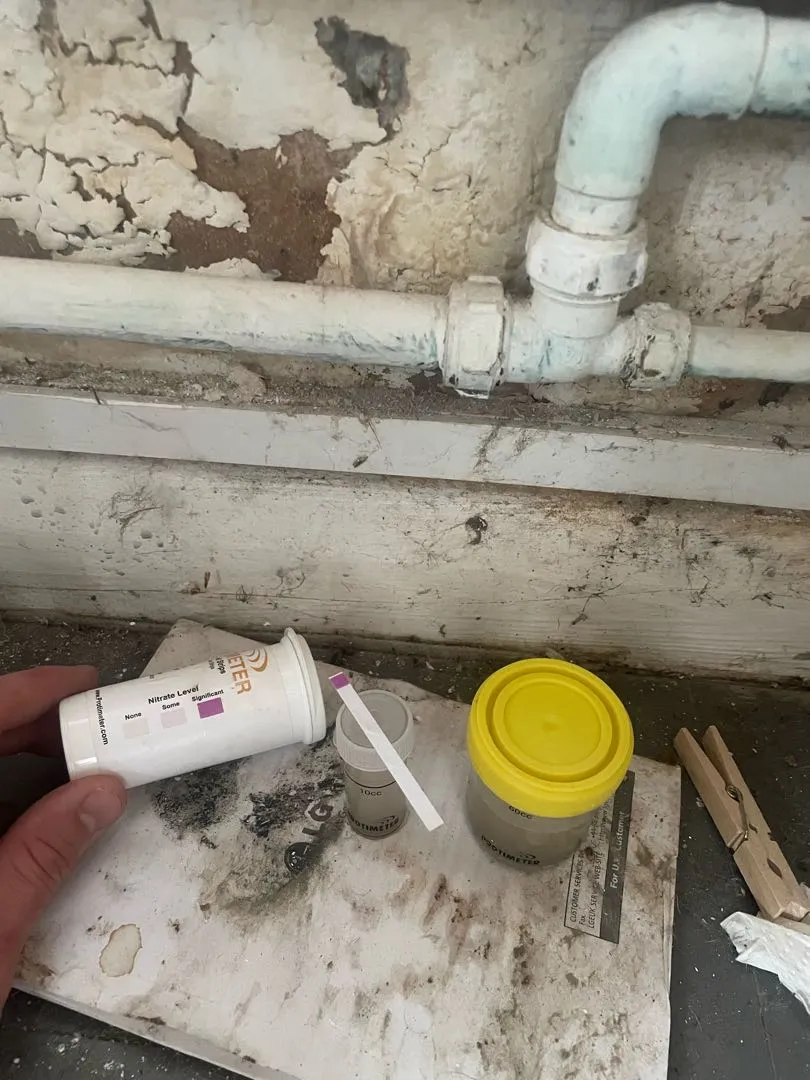
On-site salts analysis detects the presence of salts left behind by evaporating moisture, often a sign of ongoing leaks and moisture issues.
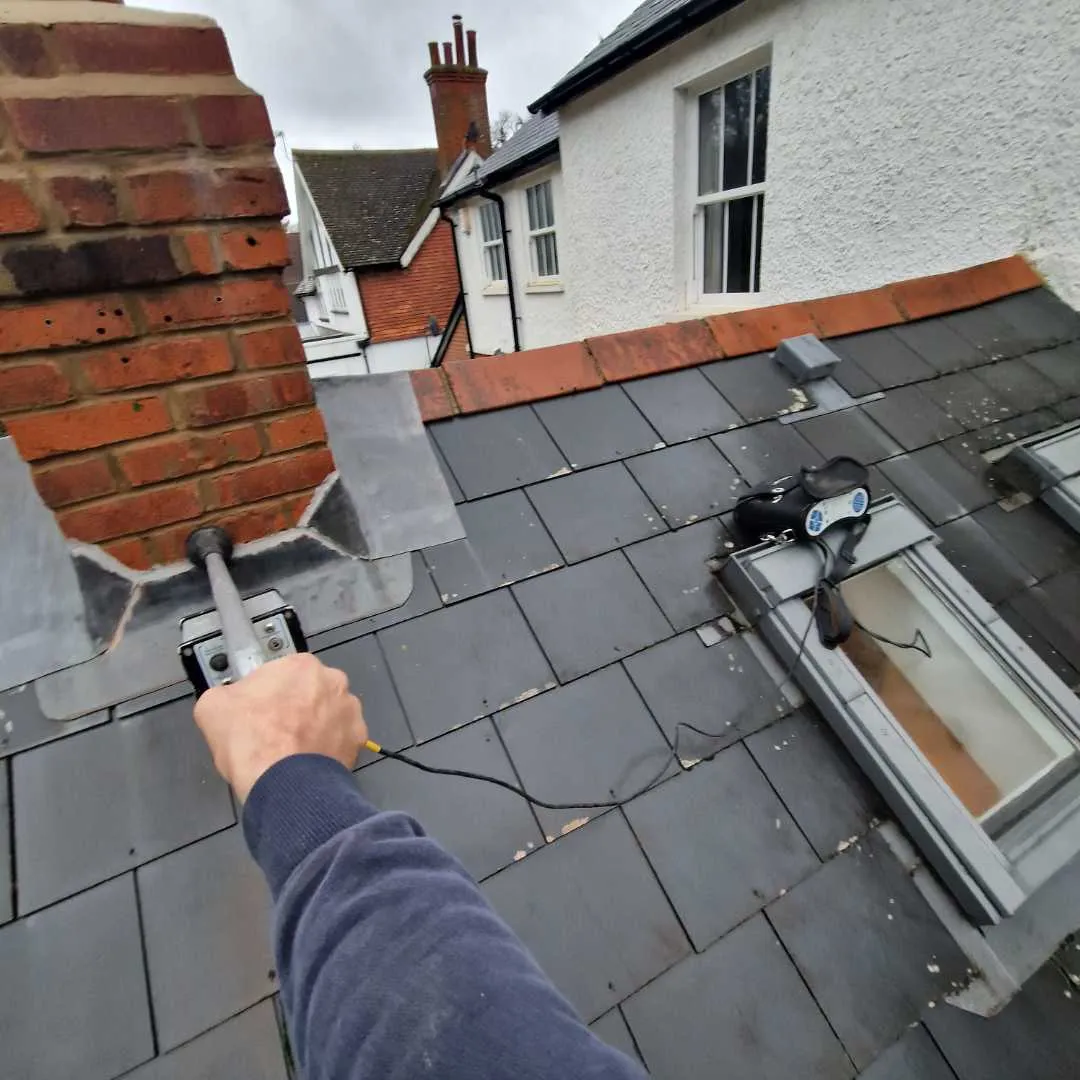
Tracer gas leak detection involves releasing a harmless gas into pipes or walls and detecting its escape points, accurately identifying leak locations.
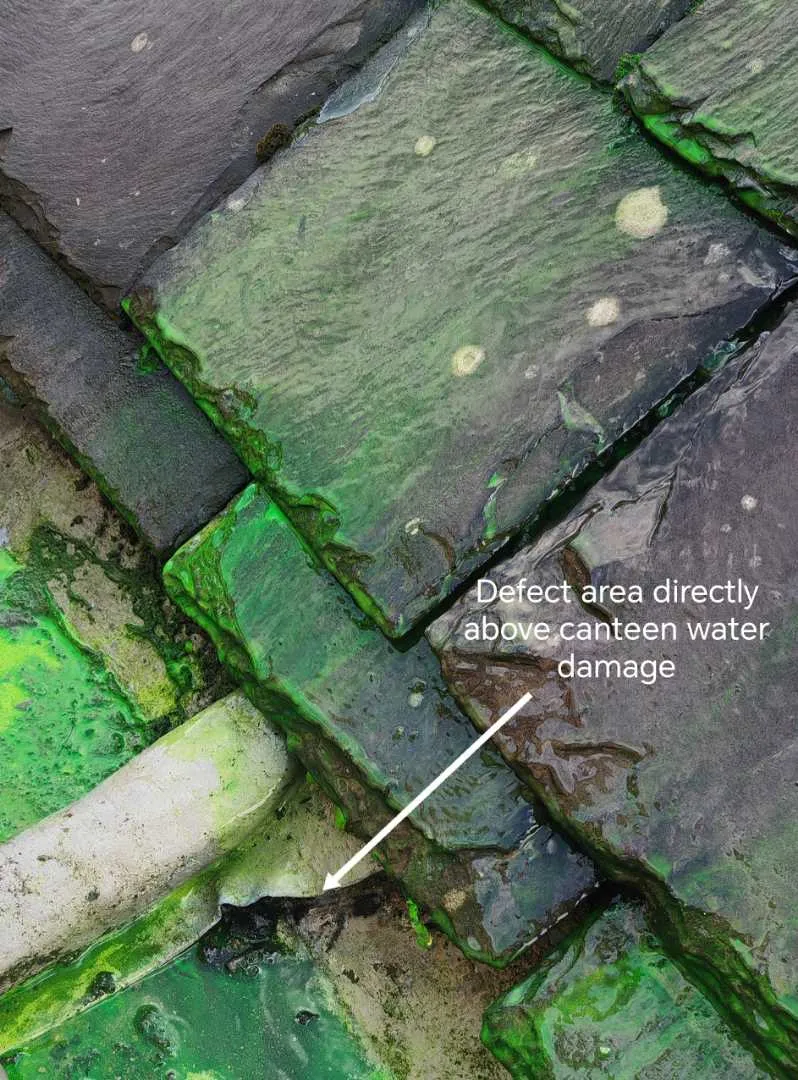
Dye testing introduces non-staining dye into water systems, visually revealing leak points as the colored water escapes.
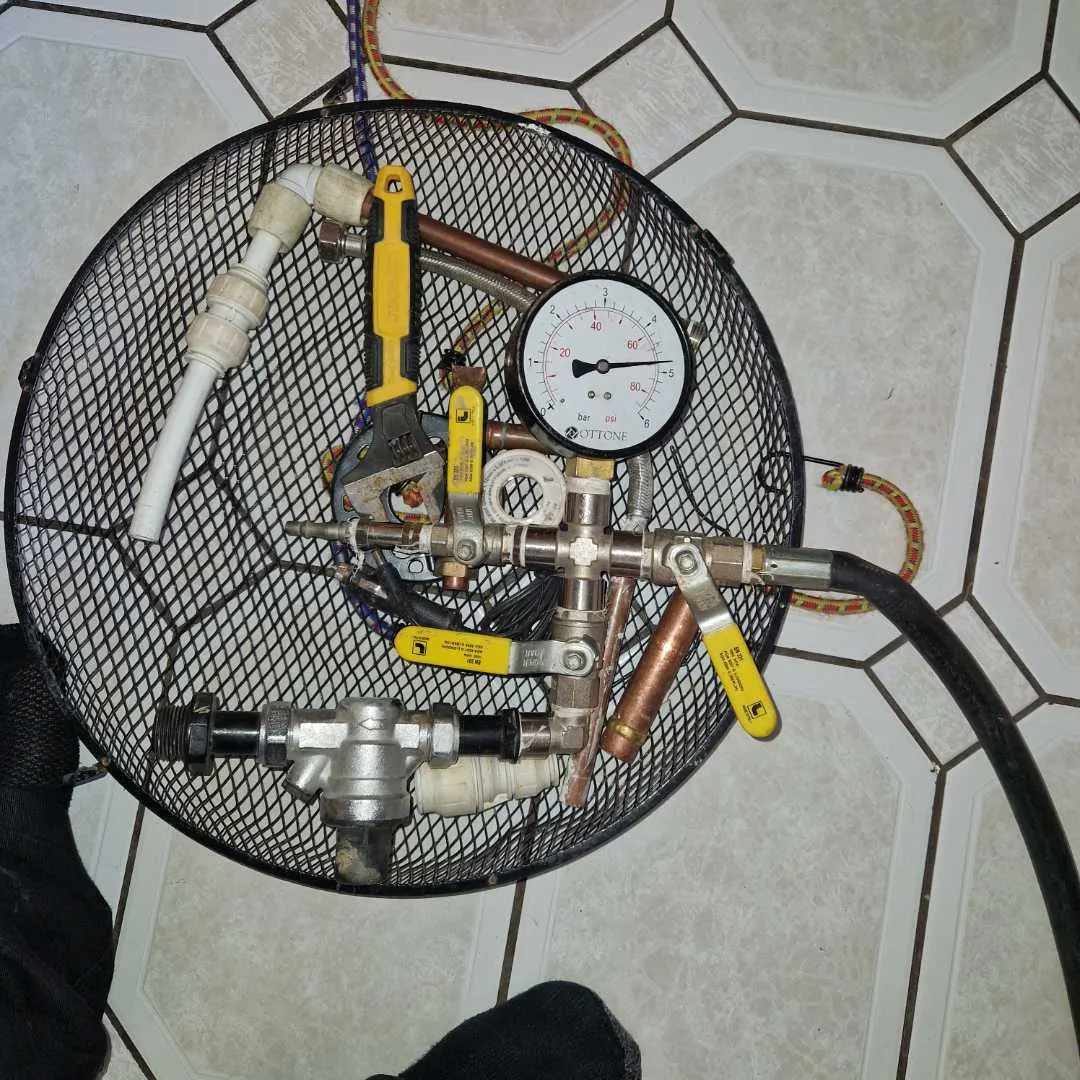
Pressure testing assesses the integrity of pipes by applying pressure and monitoring for leaks, identifying weaknesses before they lead to significant damage.
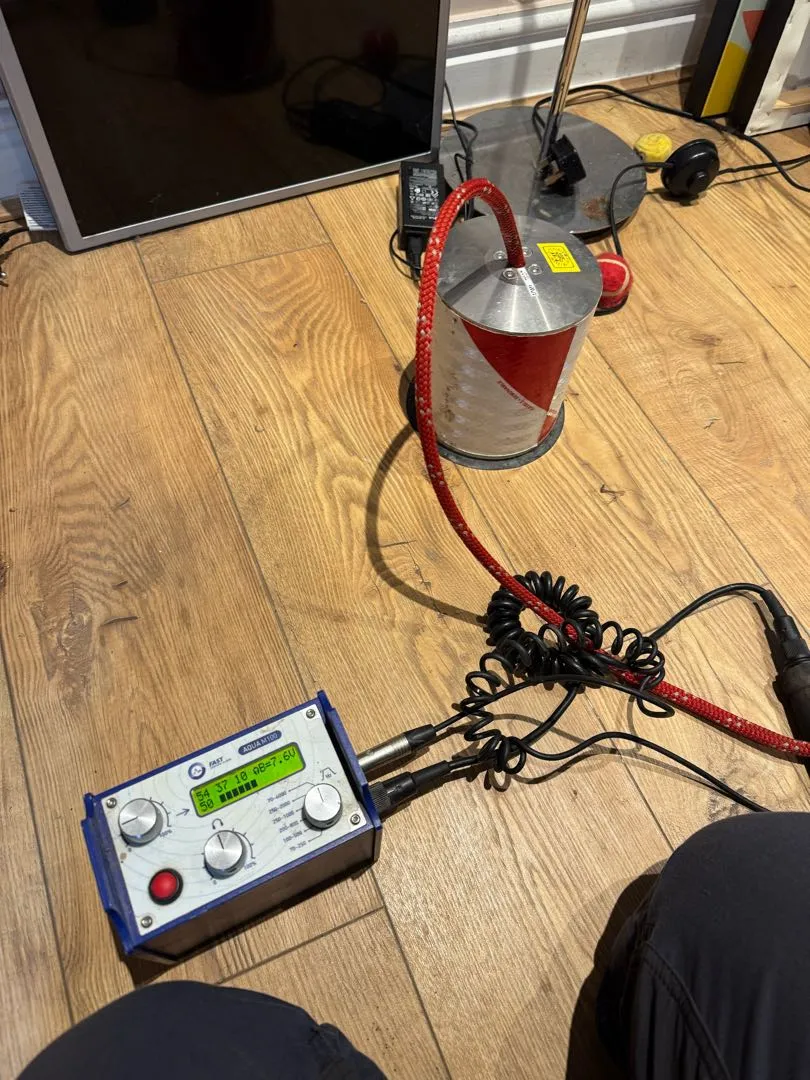
Acoustic surveys detect the sound of escaping water, even through thick building materials such as concrete, pinpointing the location of leaks with precision.
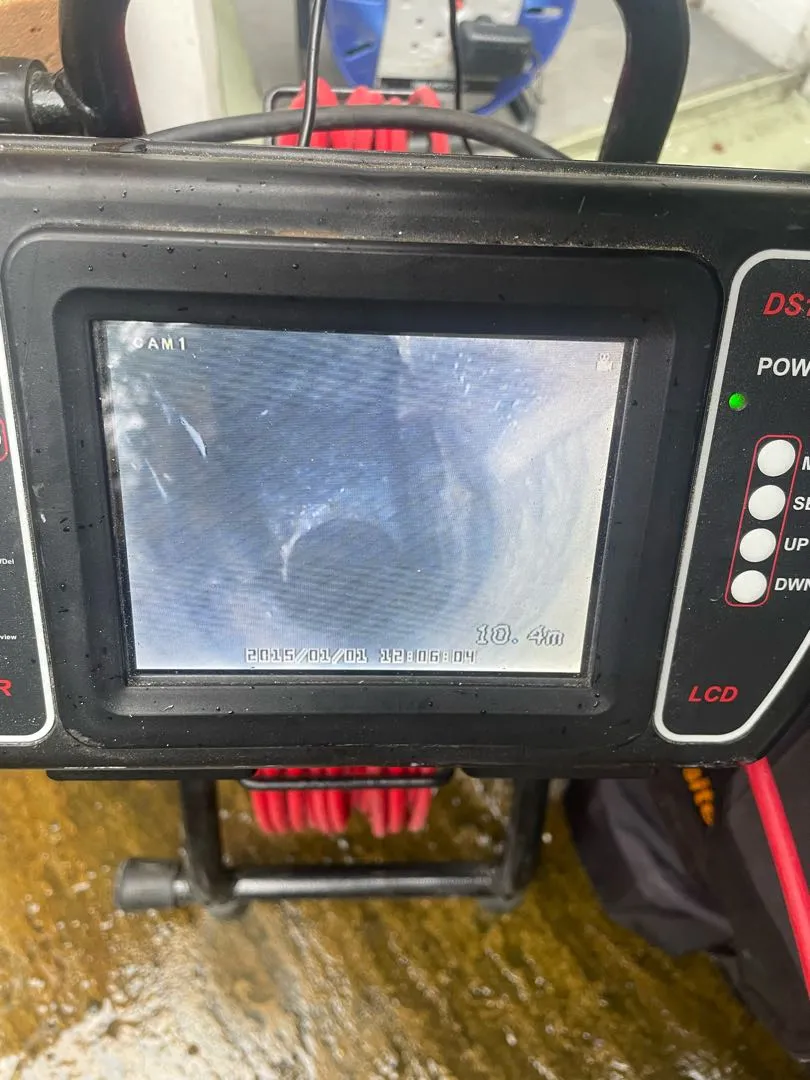
Void CCTV inspection involves sending a Borescope camera into inaccessible areas, providing a visual inspection of hidden spaces for leaks and structural issues.





Got questions? We’ve got answers! If you don’t find what
you’re looking for, feel free to reach out to us.
Building insurance typically covers sudden and accidental water damage, but coverage may vary. Always review your policy or consult with your insurer for specifics.
A one-time leak can lead to mold if the moisture is not promptly and thoroughly addressed. Mold can start to grow within 24-48 hours in the right conditions.
Responsibility for leak damage depends on the ownership and
the source of the leak.
Generally, property owners are responsible for internal leaks,
while external issues may fall to local authorities or water
service providers.
Building windows may leak due to faulty installation, seal failure, or deterioration over time. Regular maintenance and inspections can identify and rectify potential issues.
Water leakage in a structure is detected using various methods such as thermal imaging, moisture meters, tracer gas, dye testing, and acoustic surveys, depending on the specific situation and structure.
Finding a leak in a large building involves a systematic approach using tools like thermal imaging, moisture mapping, and tracer gas techniques, often starting with the most common weak points and expanding the search from there.
Yes. Our Structural & Building Leak Detection Service is available throughout England, Scotland & Wales.