We were called to deal with a problem on a large property where
two other leak detection companies had failed. The was an
indication of a leak because of a high water bill but nothing else
to go on.
We arrived to discover that this was a highly complex system
comprising sprinkler heads over 14 different zones, all run by a
computer. Just to make things even more complicated, the pop-up
lawn sprinklers were not isolatable.
This is a serious complication because it removes the option of
testing the pipes when you cannot seal them from both ends.
First, we had to stop the water flow from the sprinklers to fix
the problem. However, because it was one complete and sealed
system, and there was no option to take the sprinklers apart, if
we stopped the water flow, then the sprinklers wouldn’t pop up.
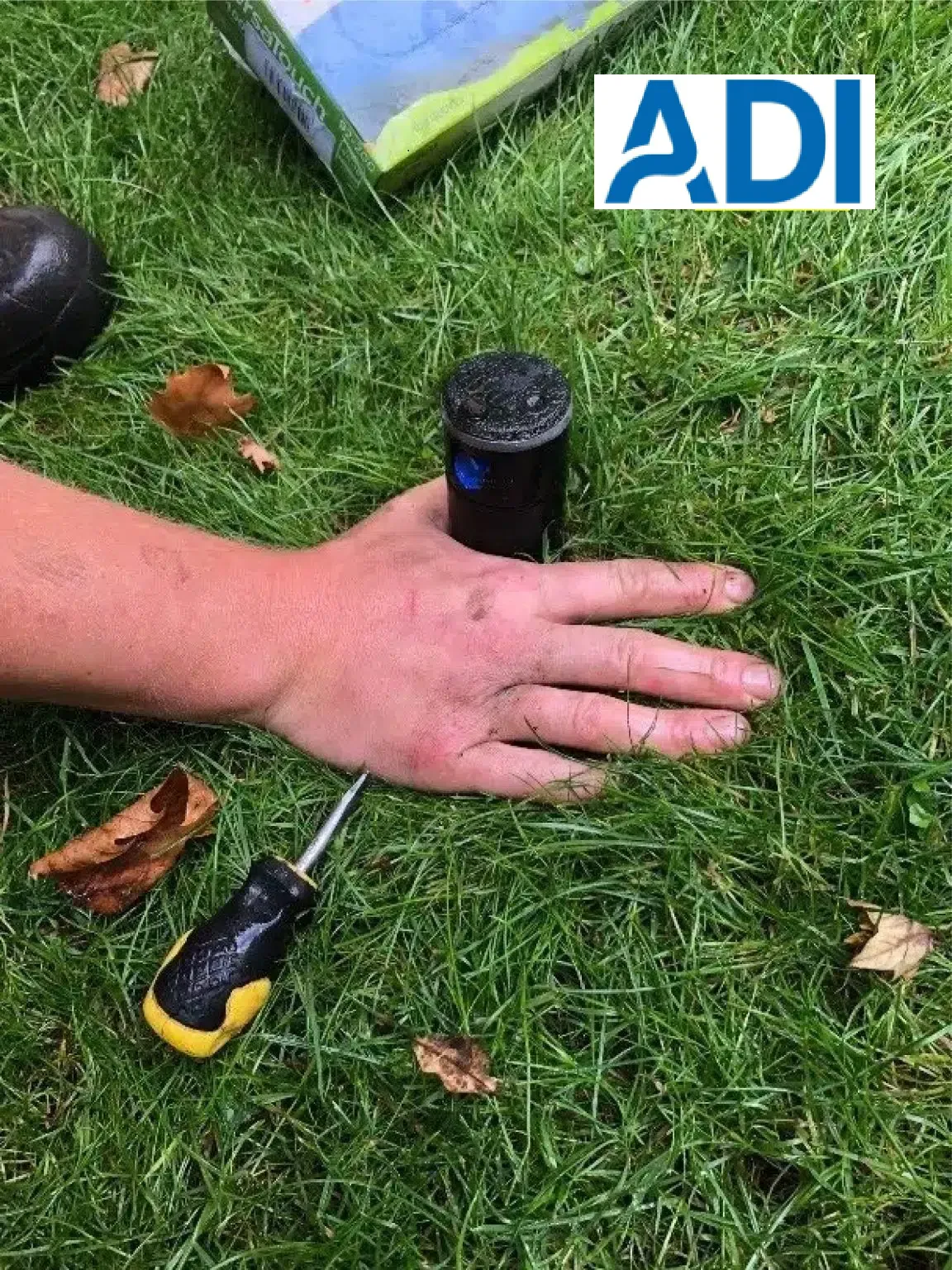
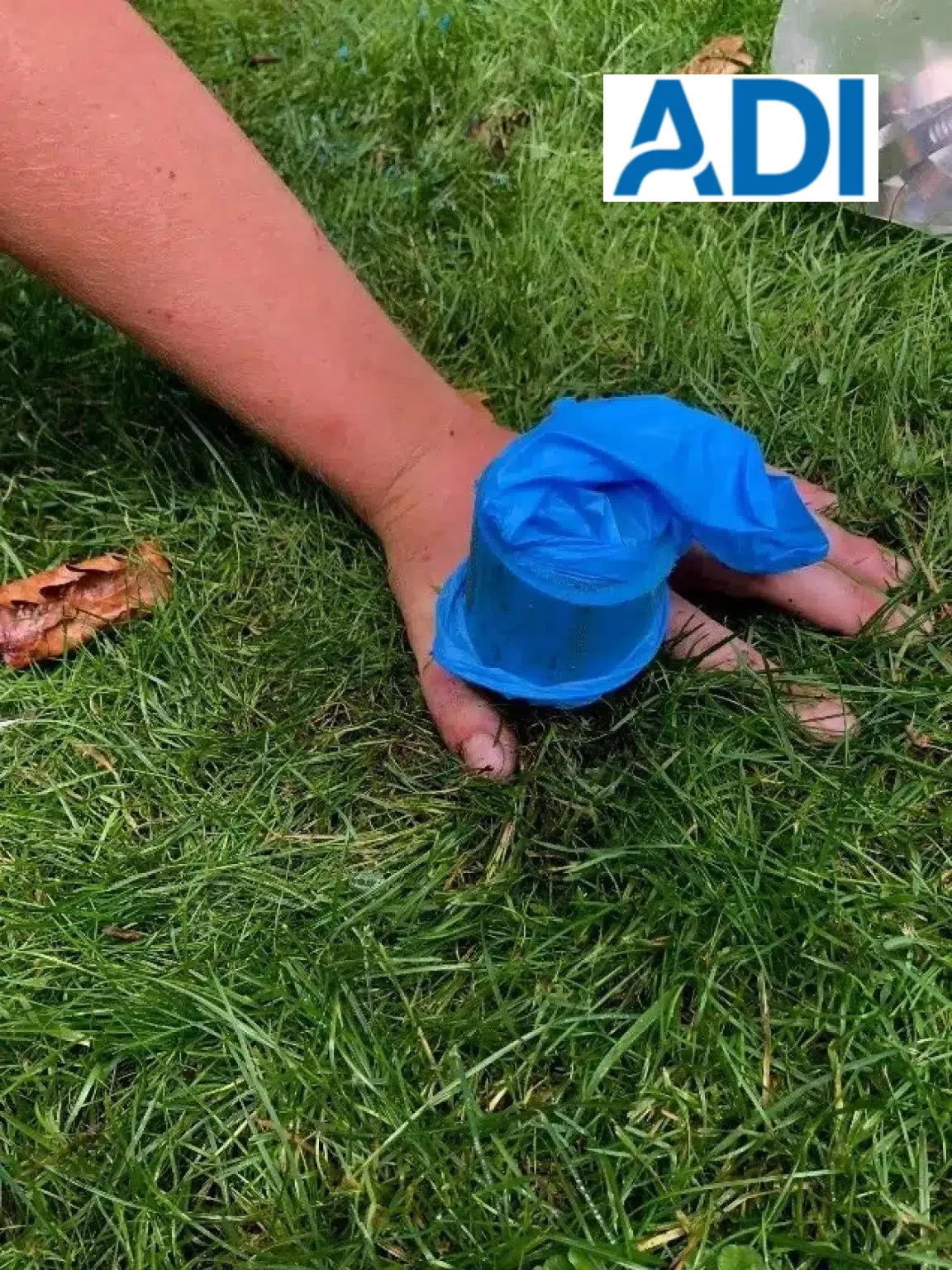
Our solution was to leave the water on initially to force the
pop-up sprinklers to rise from the ground and then use a pair of
grips to hold the sprinklers up once the water was turned off. We
then cut about 2 inches of 50 mm MDPE pipework.
Because we needed the pipework to fit snugly around the sprinkler,
we cut out a section down the pipe’s length, making the pipe’s
diameter slightly smaller.
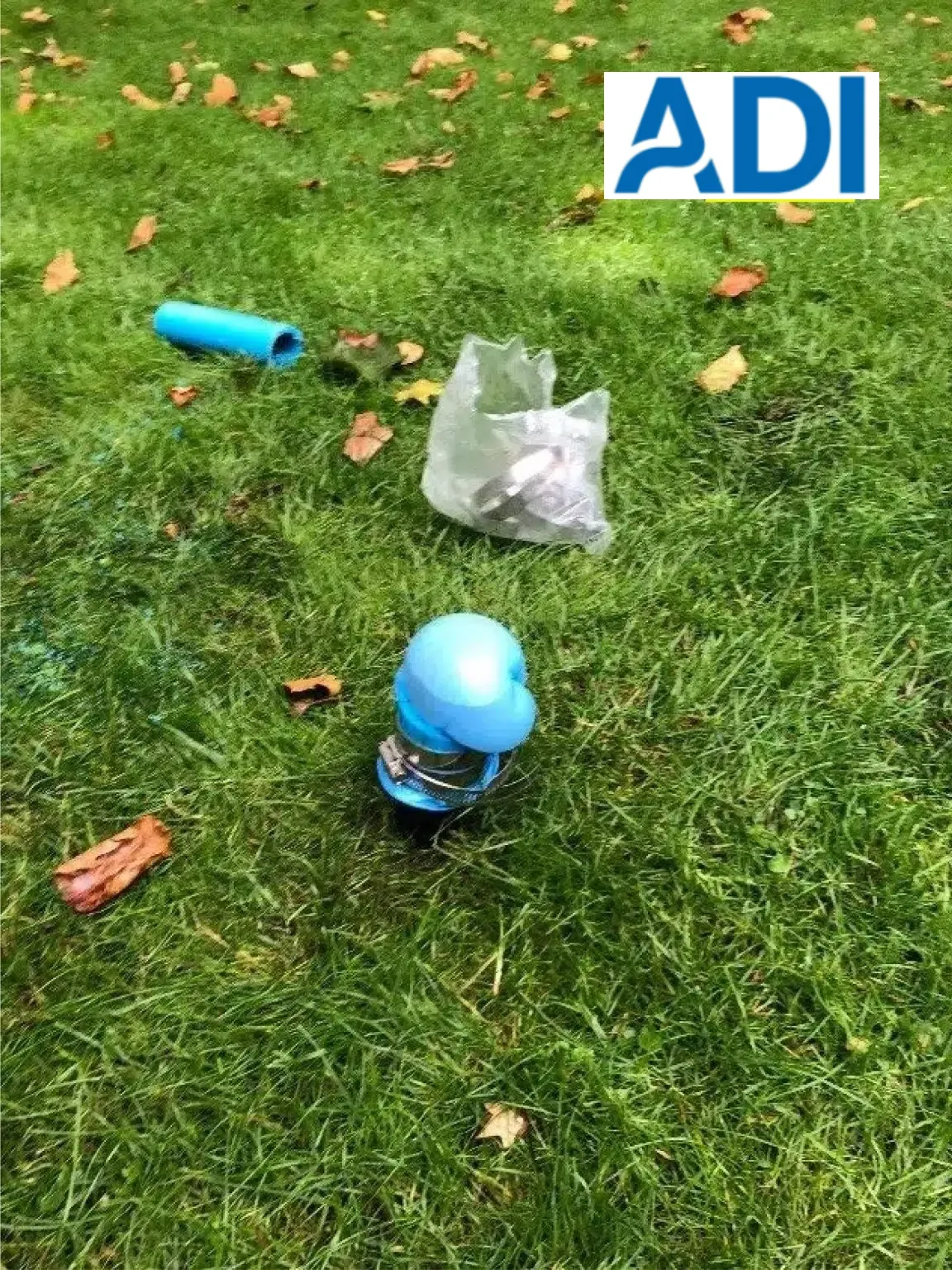
We then created a seal by placing a latex rubber glove inside the
pipe and then placing it over the tightly gripped sprinkler,
sliding it over the jet. Two 40-60mm jubilee clips were then
placed over the pipe either side of the jet over the pipework
making a seal out of the glove.
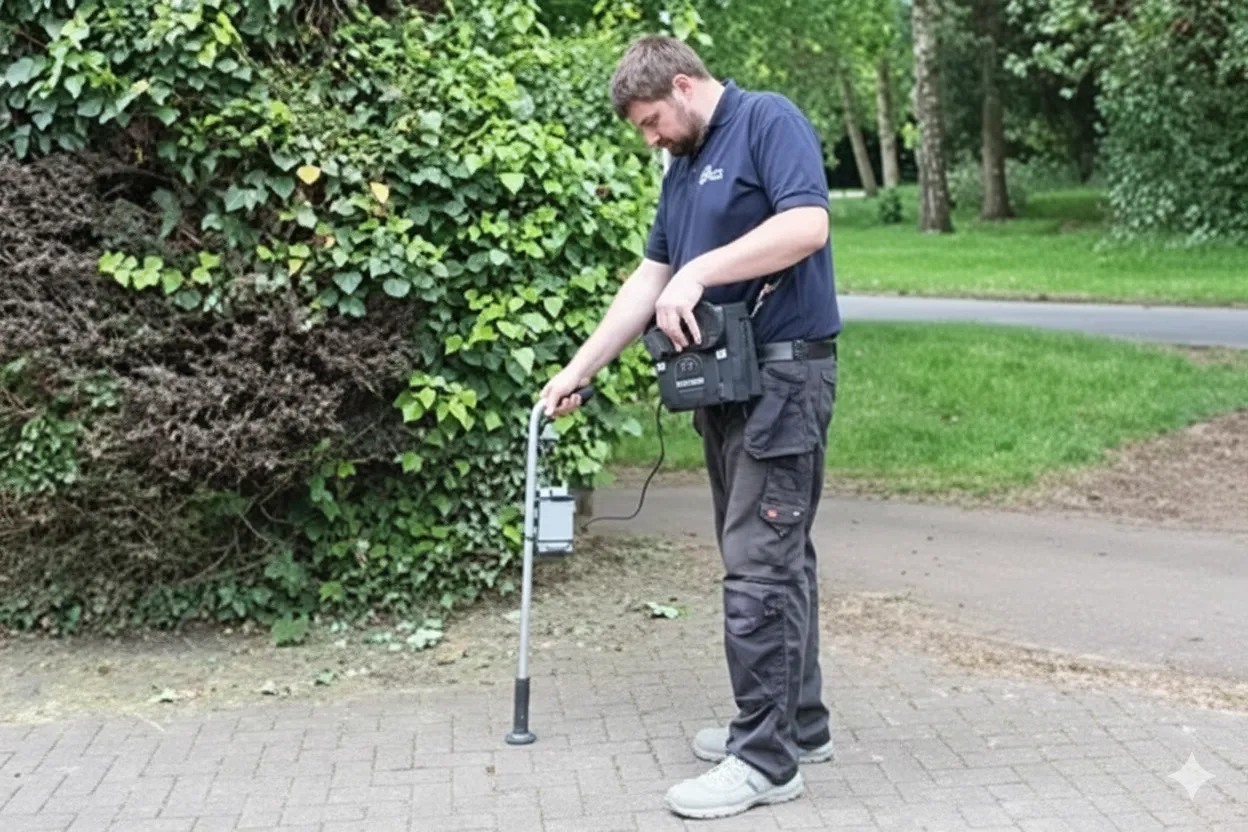
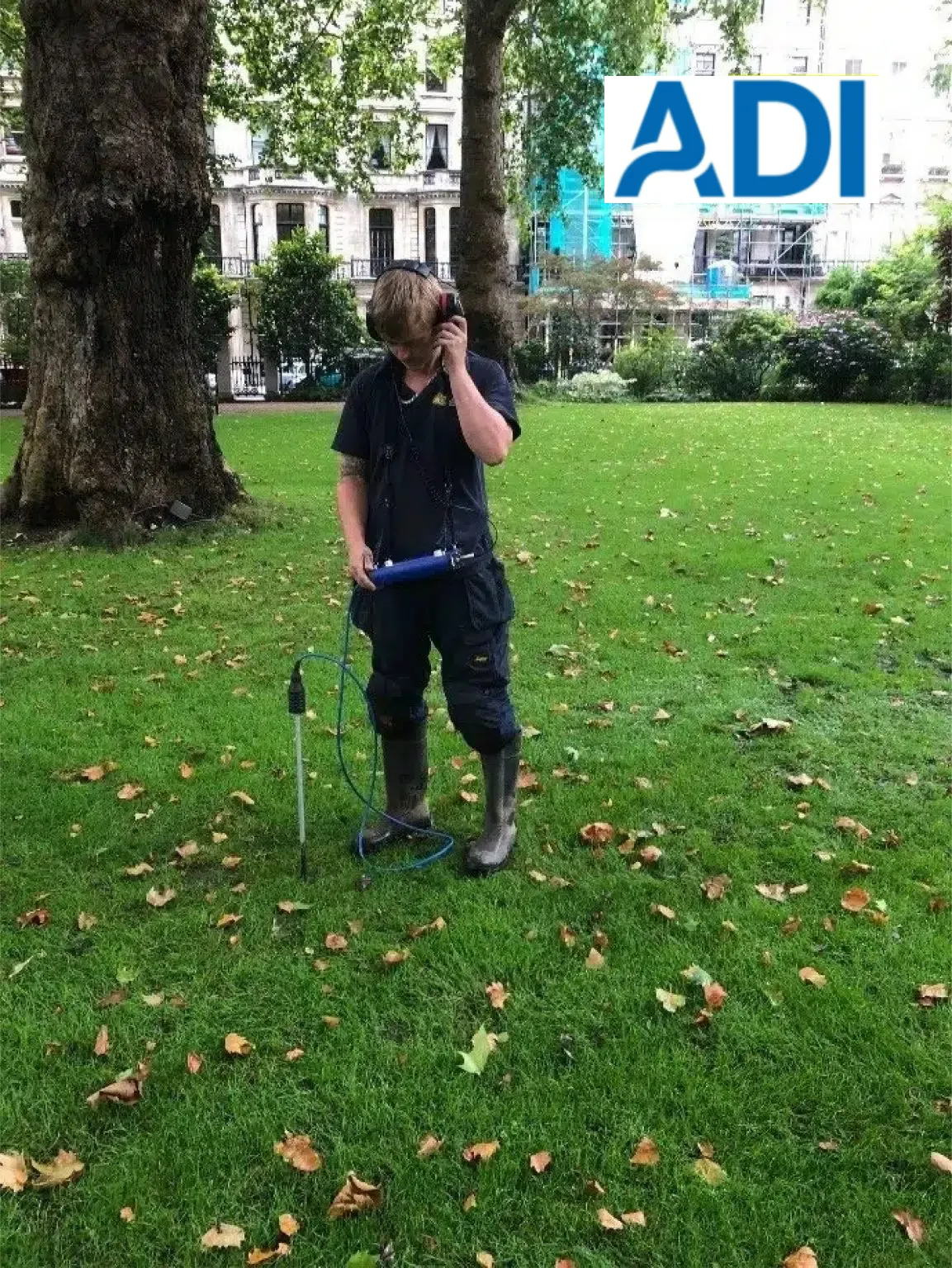
We repeated this process on all of the sprinklers, which then
enabled us to carry out a full non-invasive leak detection test on
the system.
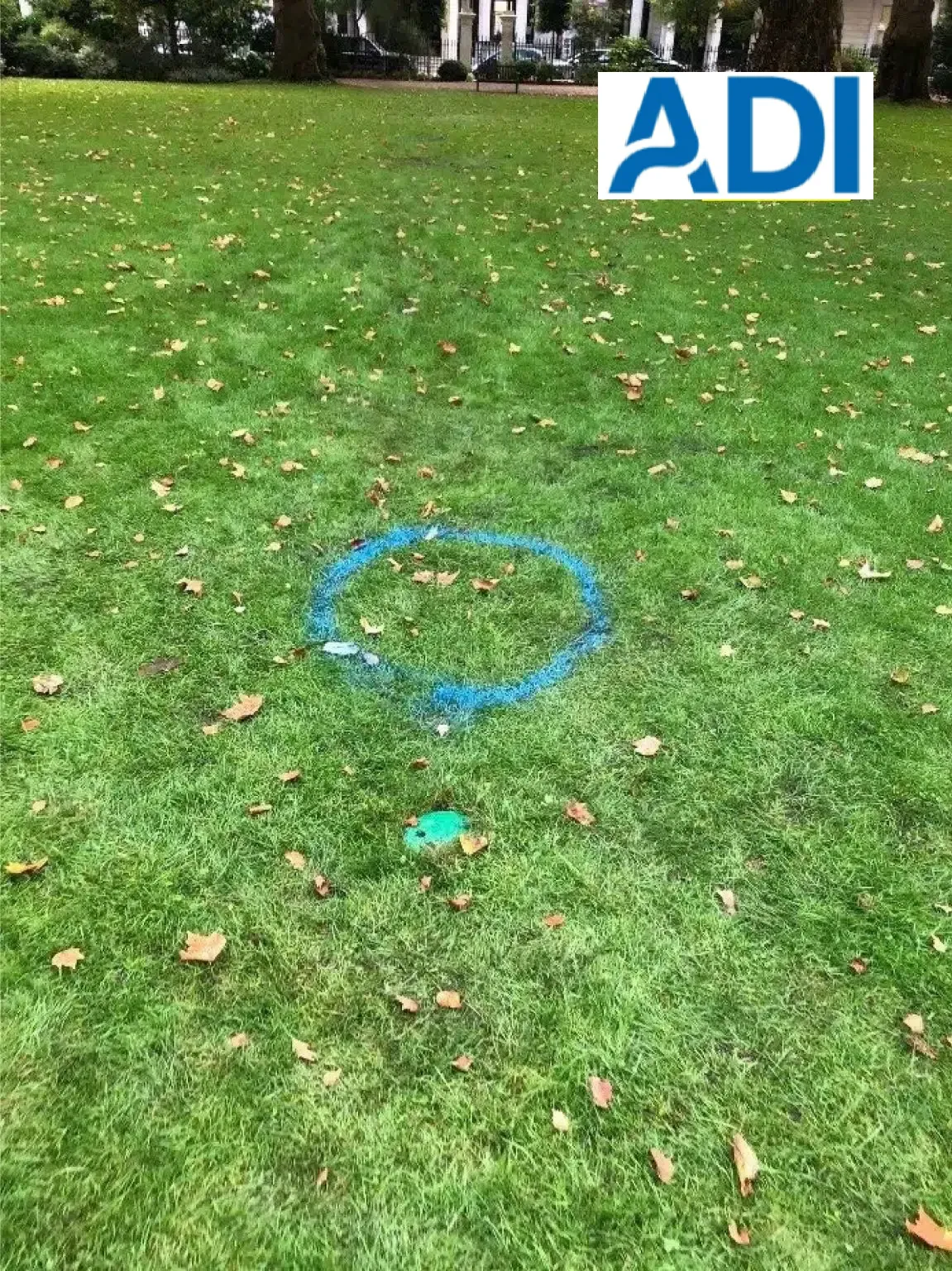
As a consequence of our engineers’ knowledge and expertise, we
were able to locate a total of four leaks in the system, using
pressure testing solving the problem in one visit, a problem that
two previous companies had been unable to solve.