



How To Fix The E119 Fault Code
Fixing the E119 fault code should be an easy fix that you can carry put yourself without the help of a gas safe engineer. Below is all the information you need in a step by step guide to fix your boiler and clear the fault code.
Before you can fix the E119 fault you will need to confirm your central heating boiler pressure is low by checking the pressure gauge on or near your boiler.
If yours is showing the E119 Diagnosis Code then your boiler pressure is low (under 1 bar) – you need to top up your boiler pressure.
If you need to fix an E119 fault your system is not functioning correctly. Repressurising the system is a quick and easy repair but if the pressure drops again, this is a strong indication that there is a water leak on your boiler, pipes or radiators.
If repressurising the system does not clear the baxi boiler E119 fault code, it is likely that you have a more serious problem, this is when it would be a good idea to instil the help of a gas safe gas engineer to investigate the problem further.
Increase The Water Pressure Of Your Baxi / Potterton Boiler To Clear The E119 Diagnosis Code
To repressurise your boiler, you need to just follow a few simple steps:
Step 1) Turn the boilers power off at the thermostat before commencing, and always ensure that the system has had a chance to cool down completely before you try and touch anything.
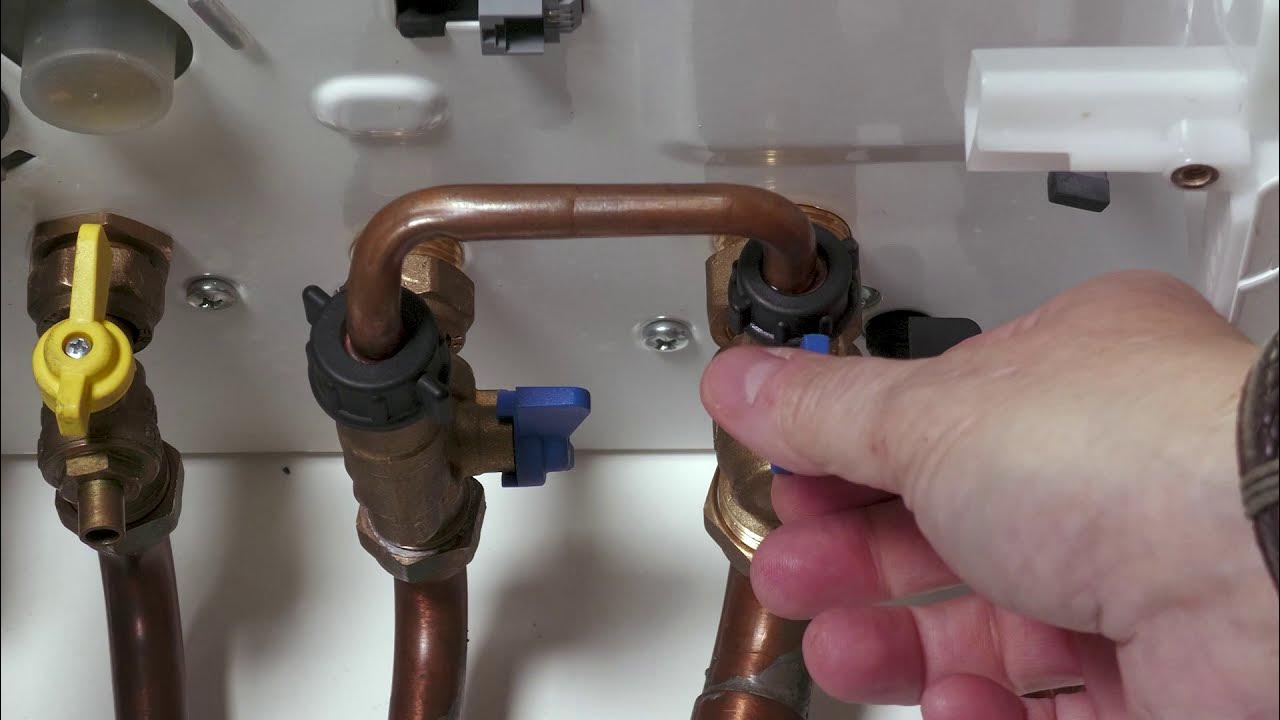
Step 2) Once you are convinced that everything is cool, you need to locate the filling loop. This is constructed from a metal hose, with two valves – one at either end – and should be easily identifiable.
Step 3) Check to see whether your pipes have end caps; if so, you will need to remove them.
Step 4) Attach the filling loop to the system – make sure that it is properly in place and totally secure to avoid the chance of leaks.
Step 5) When you are sure that the filling loop is firmly in place, you can open the valves. Once these are open, water will begin to flow steadily from the mains, into the main body of your heating system.
Step 6) Take a moment to listen closely – can you hear water beginning flow?
Step 7) The dial on the pressure gauge will begin to steadily rise. Once it reaches 1, you have hit the ideal pressure. Take care not to over pressurise – this can come with its own set of problems.
Step 8) When the gauge hits 1 bar (usually in the green indicator), turn the valves on the loop back to their original position, and gently remove the filling loop from the boiler.
Step 9) Once water has stopped dripping through, you will know that you have tightened the valves adequately. At this point, you can replace the end caps, if these needed to be removed.
This should rectify the issue and clear the error code on your controls as there should now be enough pressure running through your boilers plumbing.
If topping up the water in your boiler doesn't clear the fault code you may as the question does this mean i have a leak? The answer to that question is, it is very possible there is a leak somewhere in the system causing the pressure to remain low.
If your boiler loses pressure again, this can be a sign of a central heating leak.
If this problem persists and you have a relatively old boiler it may be time to consider replacing your old boiler for a new one. With this will come a brand new warranty which will cover your new boiler for replacement parts of other issues occur.