3 Primary Causes of Radiator Leaks
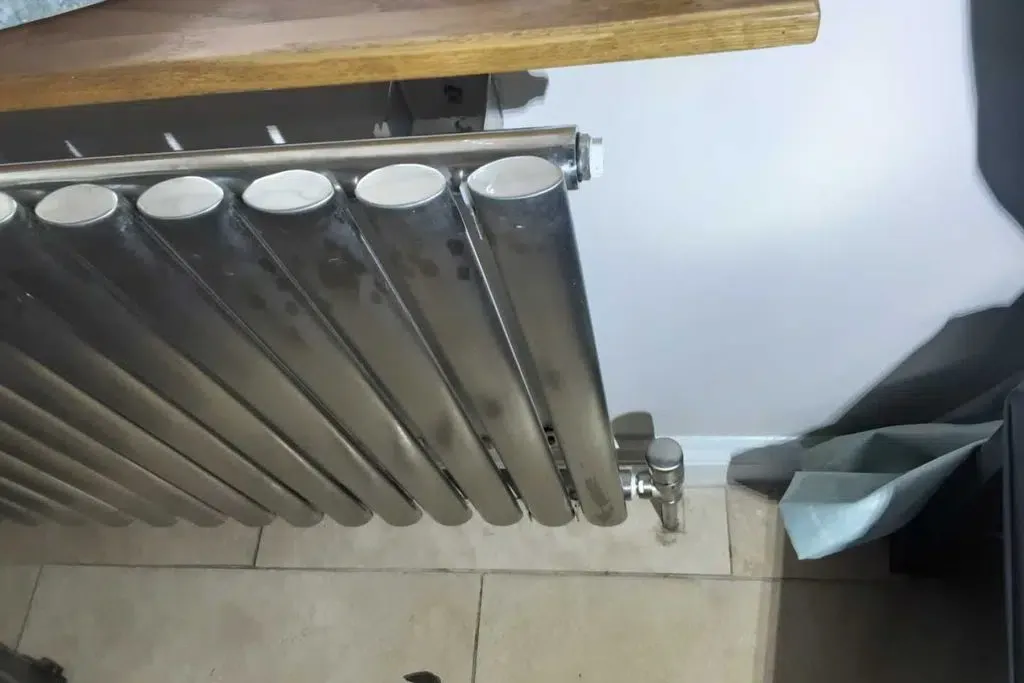
1. Damaged or loose valves
Radiator valves can become loose or suffer wear and tear
becoming loose or damaged, leading to leaks.
Regularly inspect PRV and standard valves for any signs of water
seepage, corrosion, or damage.
It's important to ensure that they are tightly secured and
functioning properly.
If you notice any corrosion or damage, it may be time to
consider replacing the valve to prevent further leakage.
2. Radiator rust
Rust is a common issue, especially in older radiators.
Radiator rust results from prolonged exposure to moisture or a
corrosive environment, which can weaken the metal of the
radiator and lead to leaks.
If you find that rust has penetrated deeply into the metal,
causing significant weakening, it may be time to replace the
radiator.
3. Loose or damaged spindle
The spindle, a component of the radiator valve, can become loose
or damaged over time. The spindle is integral in maintaining a
tight seal within the valve.
Check the spindle for any signs of wear or damage.
If the spindle is not functioning correctly or is damaged,
replacing the spindle is the solution to stop the leak and
ensure the valve operates efficiently.








.png)